Home / Health (page 6)

Health

Health

Rajesh Tope, Health News, ET HealthWorld

Private agencies not to conduct health dept exams anymore: Rajesh TopeAURANGABAD: Amidst the ongoing police investigation into the alleged recruitment exam scam that has rocked Maharashtra, state health minister Rajesh Tope has announced that, from now on, the health department’s recruitment exams will not be conducted through any private agency.

The minister said his department is taking steps to ensure a fair and transparent recruitment process. He stated that rigging of recruitment exams was not limited to Maharashtra, and added, “Question papers of recruitment exams held in Gujarat and Uttar Pradesh have also been leaked.”

The minister gave the statement during his visit to Jalna, which he represents as guardian minister as well.

The cybercrime branch of the Pune city police are currently investigating the alleged malpractices in the recruitment exam for the health department, TET as well as MHADA. The police have already arrested incumbent as well as former commissioner of Maharashtra state council for examination Tukaram Supe and Sukhdev Dere. Several other suspects, including former and current directors of GA software (the private agency hired for conducting the exams) Ashwin Kumar and Piyush Deshmukh, have also been arrested.

Tope said, “The decision to consider the results of the recently concluded Groups C and D health department recruitment exams will be taken on the basis of police investigation findings.”

Tope said he has made a suggestion: If the police find that the alleged malpractices during the exam were limited to a very few candidates, the recruitment exam may then be considered a qualifying exam, before a final recruitment exam or scrutiny is initiated.

“If this exam is considered a qualifying exam, then the top 10% candidates may be shortlisted for another exam,” he said.

The health minister went on to announce that the department will also do away with the OMR answersheet system for the recruitment exams.

He said: “There will be major changes introduced in the recruitment examination process, including steps to ensure there is no human interference in the end-to-end scrutiny process.”

News Source link

Renewed Covid curbs evoke heartburn within hospitality industry, Health News, ET HealthWorld

Mumbai: Renewed Covid curbs evoke heartburn within hospitality industryMUMBAI: The Maharashtra government’s Covid-driven imposition of night curfew and curbs on New Year parties and weddings has caused a wave of cancellations citywide. The Christmas-New Year spell is a peak revenue earner for the hospitality industry, plus the marriage season is under way in full swing as well.

Embarrassed families are revoking wedding invitations that were sent out weeks ago. The government’s order states that not more than 100 guests will be allowed at weddings in closed venues. In open air venues, the limit has been set at 250 guests or 25% of capacity, whichever is less.

Hotels and clubs have called off parties and music shows for which bookings were taken, and are arranging refunds.

TOI interviewed managers, party planners and event organisers affiliated with five star hotels, restaurants, clubs, gymkhanas, wedding lawns and banquet halls. Each was counting the losses of the state’s sudden, last-minute strictures. Some expressed upset, most spoke off the record fearing reprisal.

Restaurateur Hossein Mehrazar of Cafe Mommyjoon, Bandra, said, “The night curfew that starts at 9.00pm will impact footfalls because most diners head out at night.”

His brother Mohsen, who is the owner of Lucky Restaurant in Bandra, said, “The inconvenience arises because this order has come at last minute. People have made preparations, passes have been sold and tables booked. If the circular had arrived in advance it would be better. The hospitality industry has been the worst sufferer during the lockdown. And just as we were recovering comes another closure. Still, I believe the government must surely have had a plan in mind before taking this step. After all, we cannot lower our guard against the pandemic.”

Henrison Lobo, partner of Blossoms Lawn in Andheri, said, “Everything about this order is unfortunate. Costs are calculated by number of guests. The fewer the guests the greater the expense. Given the see-sawing rules, people will postpone weddings till March-April 2022. And I wonder if Covid spares larger crowds and political rallies.”

On Saturday, a leading hotel in the western suburbs was processing refunds after being forced to call off its New Year musical soiree. “We offered clients the option to keep a credit note which they may utilise later. But people want their money back given the uncertainty over a new Covid wave and another lockdown,” the banquet manager said.

Contract workers of a prominent gymkhana in South Mumbai say wedding lists are being downsized. “In this case it is the wedding party that is burdened since they still pay the same amount for hiring the venue, decorator and caterer. Of course we suffer too, since new bookings have halted. And we will still have to pay employees,” said the decorator.

“It is frustrating to step out of our Marine Drive wedding ground — where guests are restricted to 25% — and board a train from Marine Lines where people are packed like sardines. Does Covid spread only by night and in sanitised spaces?” asked the caterer.

Industry associations are at their wits’ end. “This decision is unfortunate as it is New Year. It will have a huge impact on the industry. Revellers are planning to travel to neighbouring states to party, so it will be a revenue loss for our state government too. We are following all SOPs,” said Shivanand Shetty, AHAR president.

“After two years of being restricted indoors, people want to enjoy New Year. But the cancellation brings tremendous loss and disappointment. Our staff is vaccinated and we are following rules,” said Pradeep Shetty, senior VP, HRAWI.

News Source link

Remdesivir to be used in patients with moderate to severe COVID-19: Health ministry

The Centre on Friday said Remdesivir drug should only be used in patients with ‘moderate to severe’ COVID-19 and those with no renal or hepatic dysfunction within 10 days of the onset of any symptom.

It also warned against use of the drug in patients who are not on oxygen support or in home settings.

According to the clinical guidance issued by the Union health ministry for management of the infection in adult patients, Remdesivir has been asked to be “used in patients with moderate to severe COVID-19 and those with no renal or hepatic dysfunction within 10 days of onset of any symptom”.

The Tocilizumab drug may be considered for use in the presence of severe disease (preferably within 24 to 48 hours of onset of severe disease/ICU admission), according to the guidelines.

Tocilizumab can be used in case of significantly raised inflammatory markers (CRP &/or IL-6), condition not improving despite use of steroids and no active bacterial/fungal/tubercular infection.

The ministry also said that those above 60 years of age, with cardiovascular disease, hypertension, diabetes and other immunocompromised states are at high risk for severe disease and mortality.

According to the guidelines, coronavirus patients have been classified into those affected by mild, moderate and severe disease.

For mild disease, home isolation and care is recommended, while admission in a ward is recommended for those battling moderate disease and ICU has been recommended for patients with severe COVID-19, they added.

News Source link

China Imposes Lockdown On 13 Million Residents Of Xi’an, Weeks Before Commencement Of Winter Olympics

New Delhi: With a spike in cases of Covid-19 in China, the country in its effort to contain the spread has imposed a lockdown for the 13 million residents of the northern city of Xi’an, reported AP. The measure has been taken just weeks before the commencement of Beijing Winter Olympics scheduled to be held roughly 1,000 kilometres to the west. 

The report stated that it was not yet clear whether the rise in cases were of Omicron variant or the previous delta variant. There are seven cases of the Omicron variant reported in the country so far — four in the southern manufacturing centre of Guangzhou, two in the southern city of Changsha and one in the northern part of Tianjin. 

Substantial rises in cases were also reported from several cities in the eastern province of Zhejiang near Shanghai. 

As per the report restrictions in Xi’an were some of the harshest in the country since 2020 when strict lockdown was imposed on more than 11 million people in and around the epicenter of the virus, Wuhan. 

63 locally transmitted cases were detected in Xi’an on Thursday taking the city’s total tally to 211 since the past week 

“We are not receiving any new guests and no present guests are allowed to leave the hotel,” said a receptionist at the Hanting Hotel in Xi’an. “Including the guests, we are required to take a test once every two days. There will be an impact on our business and we have no idea how long it will last,” the receptionist added. 

News Source link

NetApp along with Narayana Health develops patient record system ‘Athma’, Health News, ET HealthWorld

NetApp along with Narayana Health develops patient record system 'Athma'Bangalore: Narayana Health in collaboration with software company NetApp unveiled a homegrown records management system ‘Athma’ that will allow the company to manage its health data securely and efficiently. NetApp will work with Narayana to modernize its IT systems and implement technological advances in healthcare management to improve patient care services.

The healthcare provider intends to build a responsive IT infrastructure for faster diagnosis and shorter response times, easing the process for patients and doctors. To accomplish the objective, Narayana Health deployed NetApp technology solutions to develop a patient management system that can store and process patient records. The resulting system Athma can capture, store, and retrieve networks across 15 sites to produce required information. The system enables medical staff and patients to access their entire medical history in a short duration of time, further enhancing the quality of healthcare services provided by Narayana.

Elaborating on the inculcation of technology to advance health services, Ramu Manjunath, Core Infrastructure Head, Narayana Health, said, “NetApp comes with a unique approach to data management. Storing data on NetApp is much faster compared to the other solution providers. It offered simple and easy infrastructure management solutions to our engineers. The whole shift to NetApp was fairly simple and seamless from implementation, architectural, and support standpoints. With Athma, patients have the complete continuity of their entire medical history. Their history is available in our system and can be pulled in a few seconds, so the doctors can review and take a call rather than going back and forth finding records or reinvesting in investigations.”

The collaboration aims to optimize storage and data management efficiencies across locations thereby helping advance medical care in India. The centralized storage system for data and applications Athma is built on NetApp and is made available on the cloud. NetApp Cloud Volumes ONTAP software makes the data stored easy to manage. Two fully replicated data centers, one in central India and the other in south India, are running backup and recovery using Azure NetApp Files and NetApp file services. The system provides clinical staff with critical and timely insights that further enable them to extend better care to patients.

Speaking about the positive impact that the collaboration aims to bring, Puneet Gupta, managing director & VP India/SAARC, NetApp India Marketing and Services, said, “Simplicity is at the core of everything we do at NetApp. Our solutions are designed to be easy to implement as well as scalable. For the new-age medical care providers, accessibility to data and healthcare records is of prime importance today. With our legacy and experience in data management, and our core technology offerings, we are happy to contribute to the changing healthcare landscape in India. It’s an accomplishment to see our solutions directly enable medical practitioners to offer better medical care to the needy.”

The Narayana Health hospital system has plans to increase the number of locations and add more clinical services in 60-plus specialties. with the assistance of NetApp. Cloud Volumes ONTAP will provide tools such as the NetApp Active IQ® Digital Advisor to help the hospital in managing and optimizing costs.

News Source link

29 Students Of West Bengal School Test Positive For Covid-19

New Delhi:  At least 29 students of a residential school in West Bengal’s Nadia district have tested positive for Covid-19.

According to sources, the affected students are from Jawahar Navodaya Vidyalaya, Kalyani, and belong to Class 9 and Class 10. Thirteen boys and 16 girls tested Covid positive. 

School officials have urged the parents of the infected students to take them home, PTI reported. So far, the infected students have displayed symptoms such as cough and cold and have been advised home quarantine.

The Sub-Divisional Officer (SDO) Kalyani, Hirak Mandal, said other students of the school and teachers were also being tested for Covid-19.

Following a year of shutdown due to the Covid-19 pandemic, the West Bengal government reopened schools for students of classes 9 to 12 and colleges for offline classes from November 16.

Amid the spread of the highly transmissible Omicron variant, parents have expressed concern over schools reopening for students. The government has yet not rolled out vaccination for children.

Last week, 18 pupils at a school in Navi Mumbai’s Ghansoli district tested positive for the virus, prompting the institution’s closure.

Meanwhile, more than 200 people in the nation have been infected with the Omicron variant. The new variant, which was originally discovered in South Africa last month, is to blame for the majority of new cases recorded across Europe, prompting the introduction of tight restrictions ahead of Christmas Day and New Year’s Eve.

Omicron has also sparked discussion in India and abroad about the necessity for booster doses. Concerns have also been expressed about the immunisation of children and teens.

Curbs and guidelines have been announced by several state governments to deflect the resurgence of third wave.

News Source link

Thyroid Eye Disorders – American Association for Pediatric Ophthalmology and Strabismus

Print Version

WHAT IS THE THYROID?

The thyroid is a butterfly shaped gland located at the base of the front of the neck. The thyroid gland regulates the thyroid hormone and plays an important role in regulating body metabolism.

WHAT ARE EUTHYROID, HYPERTHYROID, AND HYPOTHYROID?

Normal thyroid hormone level in the blood is considered euthyroid. When the thyroid gland malfunctions, it can produce either too much hormone (hyperthyroid) or too little (hypothyroid). Either imbalance can cause a variety of symptoms. When abnormal hormone production is associated with an abnormal   antibody, eye symptoms can develop (Graves’ disease). In some cases, hyperthyroidism (high hormone production) can occur without eye disease.

WHAT ARE THE SYMPTOMS OF HYPERTHYROIDISM?

Typical symptoms of hyperthyroid include fatigue, fast heartbeat, weight loss, heat intolerance, thinning hair and diarrhea. Hypothyroid may also cause fatigue, but with slow heartbeat, constipation and weight gain.

WHO GETS THYROID EYE DISEASE?

Although thyroid eye disorders occur at any age, the average age at onset is 45 years. There are three times as many females with thyroid eye disorders. Graves’ disease is an autoimmune disease, and can be more likely to occur in patients with other autoimmune diseases (ex. Type I Diabetes, rheumatoid arthritis)

Thyroid eye disease is mainly associated with hyperthyroidism from Graves’ disease, although it does sometimes occur in patients who are hypothyroid or euthyroid.

WHAT CAUSES THYROID EYE DISEASE?

Normal body immune systems distinguish clearly between body tissue and foreign tissue or substances. Autoimmune disorders are characterized by the production of antibodies against normal tissue. Graves’ disease is caused by an abnormal antibody attack on the thyroid gland, which often results in over or under production of thyroid hormone. This same antibody can attack eye tissues and cause various eye symptoms. Cigarette smokers are at a higher risk for thyroid eye disease, and can have a more severe and prolonged course of the disease.

DOES THE THYROID ABNORMALITY ITSELF CAUSE EYE DISEASE?

No, the thyroid problems and the eye problems are independent manifestations of the underlying autoimmune abnormality and the abnormal antibodies. It is important to realize that thyroid eye disease can occur even when a patient is euthyroid.

WHAT ARE THE SYMPTOMS OF THYROID EYE PROBLEMS?

Nearly all of the symptoms from thyroid eye disease arise as a result of swollen tissues around the eye. Eye watering, redness, light sensitivity (photophobia), eyelid swelling and elevation of the eyelid (creating a staring or startled appearance) are typical early symptoms [Figures 1].

Swelling of the normal fat tissue and enlargement of the eye muscles in the eye socket can push the eye forward creating variable prominence or protrusion of one or both eyes (proptosis). Proptosis can stretch and/or compress the optic nerve potentially causing blurred vision, impaired color vision and permanent vision loss. The swelling may also involve the muscles around the eyeball resulting in decreased ability to     freely move the eye/eyes in various directions. This can cause eye fatigue, eye soreness and most notably double vision (diplopia).[Figure 2].

Figure 1

symptoms of thyroid eye problems

Figure 2

HOW IS THYROID EYE DISEASE TREATED?

If a thyroid disorder is suspected, appropriate evaluation and treatment are indicated. The treatment of thyroid eye disease requires close coordination between the patient’s primary care provider, endocrinologist and ophthalmologist and there must be an understanding that  treating the condition may take many months and possibly years. The first priority is to treat the thyroid levels. Eye conditions  should be evaluated and treated simultaneously with the thyroid gland treatment. Laboratory testing should include both tests for thyroid hormone level and function as well as test for thyroid auto- antibodies. Sometimes the eye problems continue to progress even after the thyroid abnormality returns to normal. Eye problems should be evaluated and        treated by an ophthalmologist, and most often more than one ophthalmologist is involved in the treatment; a general ophthalmologist, an ophthalmologist who specializes in treatment of the eyelids and bones around the eye socket(oculoplastic specialist)  and an ophthalmologist who specializes in treatment of eye misalignment and double vision (pediatric and adult strabismus ophthalmologist).

Treatment depends on the severity and the degree of activity of the disease. It can be classified into three stages:

  • Stage 1 – acute stage: Stabilize thyroid levels: Elevated thyroid levels will require treatment to reduce the symptoms of hyperthyroidism as well as medications to lower the production of excess thyroid hormone. Sometimes radioactive iodine will be used to treat overactive thyroid tissue and occasionally surgery is required to remove part or all of the thyroid gland..

    • Treat Vision threatening complications: There are two complications that can cause the patient to lose vision. These should be carefully looked for and managed quickly to save vision: 1) Compression on the optic nerve by the swollen tissues: this can be managed by oral steroids and in non- responsive cases, surgery can be done to remove the bones around the eye to relieve the compression. Orbital radiation may be used in conjunction with other treatment modalities, but can sometimes transiently    worsen symptoms. There are now medications available to treat this vision threatening condition (teprotumumab) that are best administered early after the onset of Graves’ disease and requires infusions by vein in eight sessions over 5 months. 2) Ulcer of the cornea due to severe dryness caused by the proptosis and difficulty closing the eyelids fully: this can be managed medically by lubricating eye drops/ointments, eye covers, taping eyelids closed at night, or even surgery to close the lids together to protect the
    • Active disease: The tissues of the eye and around the eye become inflamed causing swelling, redness and pain. Corneal drying/exposure often requires frequent application of artificial tears, tear duct plugs or taping the eyelids shut at Diplopia is treated with prism in spectacles and/or patching one eye. Depending on the degree of activity the doctor may prescribe a course of steroids. This aims to control the abnormal immune reaction. Other medications that regulate immunity may be added. The active period, which may last up to several years, requires careful monitoring until this phase stabilizes.

  • Stage 2: Inactive, stable, fibrotic phase: This phase includes proptosis, strabismus (causing double vision), and eyelid retraction. Orbital decompression surgery is sometimes performed to address disfiguring proptosis, even if vision is not compromised. Because decompression surgery can alter/create strabismus and/or change eyelid position, it is preferable to perform decompression surgery before strabismus or eyelid surgery. Stable diplopia can be improved with prism spectacles (small misalignment) and/or surgery if the strabismus misalignment is larger. Strabismus surgery involves repositioning fibrotic eye muscle(s) to better align the eyes
  • Stage 3: Eyelid surgery :Eyelid retraction can be improved with surgery that relaxes eyelid muscles and/or inserts spacer material to reposition the eyelid. Eyelid surgery is best performed after decompression and/or strabismus surgery.

Patients with thyroid eye disease will require lifelong follow-up with an endocrinologist and ophthalmologist, as recurrences of the condition can occur many years after initial stability has been achieved.

WHERE CAN I GET MORE INFORMATION ABOUT THYROID EYE DISEASE?

Dosiou C, Kossler AL. Thyroid Eye Disease: Navigating the New Treatment

Landscape. J Endocr Soc. 2021 Mar 17;5(5):bvab034. doi: 10.1210/jendso/bvab034.

PMID: 33948524; PMCID: PMC8078830

Updated 12/2021

#Conditions

News Source link

WhatsApp Tips: Here’s how to change WhatsApp number without losing chats | Technology News

New Delhi: When switching outdated smartphones and mobile numbers, there is always the dread of losing chats. While switching WhatsApp chats from Android to iOS and vice versa remains difficult, changing phone numbers without losing existing data is simple. The feature is accessible on both Android and iOS and might be particularly beneficial if you are relocating abroad and need to obtain a new phone number. If you’re curious about how the functionality works, here’s a step-by-step guide.

Readers should keep in mind that the feature only works while the new number is in use. Because you will be needed to submit a one-time password, the SIM card must be enabled and connected to a network (OTP). As previously said, keeping old data when switching phones is more difficult. To begin the process of changing your WhatsApp registered number, follow these steps:

  • Navigate to Settings in the WhatsApp app.
  • Open Account and choose the Change Number option. After that, go to the top and click Next.
  • Users will be prompted to enter their old and new phone numbers before pressing the Next button.
  • A new message will appear, effectively confirming your choice. Users will be prompted if they wish to alert their contacts about the change at this point.
  • Users can select from the following options: All contacts, contacts I have, and Custom. Contacts’ WhatsApp contact information will be updated when they click on the notification.
  • Choose Done.

When the process is complete, WhatsApp will restart and request an OTP from the new registered number, just as it did during the first setup. All chats will remain the same, but your phone number will be different. Meanwhile, you can read about all of WhatsApp’s new features in 2021 on our latest coverage. This includes upgrades to business apps including Whatsapp Payments. In 2022, the Meta-owned (previously Facebook) messaging network is slated to acquire six new features.

Live TV

#mute

News Source link

Exclusive: Planning to get pregnant? Here’s list of foods to eat and avoid | Health News

New Delhi: With the baby boom during COVID-19, the stress that to-be mothers are feeling as they gear up to welcome a new member during the pandemic in their family is immense. While they need to follow all COVID-appropriate behaviour and precautions, we are here to tell you what foods you should eat for a healthy pregnancy.

There are some nutrients that are vital for the initial few days of fetus growth – especially those needed for brain and spine development. And these must be made available right from day 1, so it is important you plan your food when you start planning your baby.

While all nutrients are important, the exciting six-pack that plays a key role in your baby’s growth and development are – Folic acid, Iron, Calcium, Vitamin D, Iodine and DHA.

Below are insights by Anupama Menon – a nutritionist and food coach, to guide you through your food requirements while expecting a baby.

Folic Acid 

Folic acid is important to prevent neural tube defects (defects to the spine and brain): When planning pregnancy, your doctor will start you off on folic acid supplementation right at the planning stage but nothing like nutrients made available through food. Below are food items rich in folic acid.

Foods rich in folic acid

Dark green leaves, legumes, eggs, beets, oranges and lemon and everything citrus, broccoli, walnuts, flaxseeds, beef liver, wheat germ, papaya, banana, and avocado.

 Iron

Iron is used to make a well-recognized protein, haemoglobin that carries oxygen to the rest of the body from the lungs. And during pregnancy, you need double the iron to make more blood to carry the oxygen to your baby too. Your baby also needs iron to make his/her own blood.

Foods rich in iron

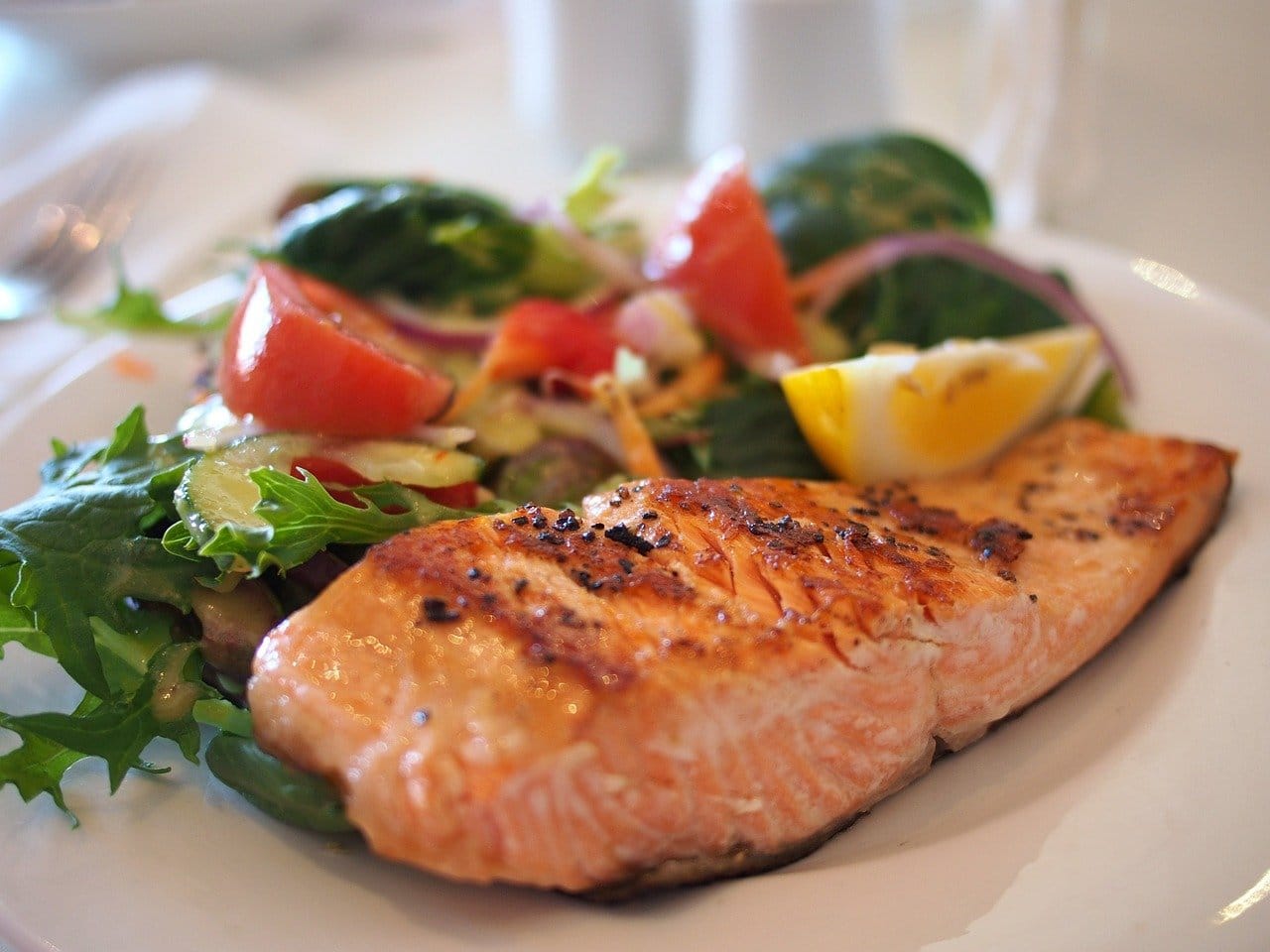
So, load up on iron-rich foods like- Liver, sardines, salmon, turkey which are the most well-absorbed sources of iron. Lentils, tofu, peas, pumpkin seeds, sesame seeds, flax seeds, green leaves, tomato juice/paste, jacket potatoes, mushrooms, prune juice, olives are all well packed vegetarian forms of iron. Squeezing lemon juice with your foods helps improve absorption of iron from vegetarian foods.

Calcium

Calcium helps develop your baby’s bones, teeth, heart, muscles and nerves. So it’s important to get the right element of calcium into your diet.

Foods rich in calcium

Milk, fish and milk products are great sources and can be included in your diet every day. Try to include one serving of calcium as a midmeal apart from your food – as the absorption of calcium could be interfered with because of the presence of iron and vice versa.

Try to use organic milk and its products as much as possible to avoid the possible influx of excess hormones from inorganic milk.


Vitamin D
 

Vitamin D is needed for the absorption of calcium and is just as important. It is not available from too many sources and hence you should discuss with your doctor a daily supplement. Vitamin D is also important to maintain the integrity of your immune system.

Foods with Vitamin D

Mushrooms, salmon, and the good sun are your best friends for this addition.
Iodine

Iodine is important to make the thyroid hormones, which during pregnancy help your baby’s nervous system develop – the brain, the spinal cord and the nerves). Iodine is available from the crops (vegetables and fruits) as it absorbs this mineral from the soil. So load up on your fruits and veggies.

Foods with iodine

Use only iodized salt as salts like Himalayan pink, Celtic salt, black salt may not contain adequate amounts. The iodine from the salt is your daily go-to source.

Besides, fish and milk products are good sources of iodine.

So, as we look at this exhaustive laundry list of foods, organic milk and milk products, fish, nuts and seeds, citrus fruits and veggies and legumes are important foods that must be included several times a week if you are planning a pregnancy.

Also carefully look at your supplement pack and come to a decision on your multivitamins with your doctor.
 

FOODS TO AVOID DURING PREGNANCY

Below are food items you should avoid during pregnancy.

•   A strict NO to alcohol and smoking
•    Avoid trans fats: Trans fats are inflammatory – so no vanaspati, margarine, and use nut/seed oils instead of vegetable oils.
•    Avoid processed foods like the plague: They contain an excess, salt, sugar, preservatives, possibly artificial color, and fats – which you do not need also
•    Cut on your sugar intake

(Disclaimer: Please consult your doctor before following any advice).

News Source link

Good rubdown- The New Indian Express

Express News Service

I’ve come to grow on soap bars. Trying the all-natural Jiva Ayurveda soaps helped strengthen the process. As an Ayurvedic brand, its chemical-free soaps come replete with skin-safe natural oils and herbs. There are four new variants, of which I tried the Argan Hydrating Soap, and the Olive Moisturising Soap.

The brand nailed the formulation. The Argan soap offers fungicidal properties. The Virgin coconut oil in it moisturises the skin well. It also has French green clay and Zeolite clay, that exfoliate and remove oiliness respectively. This soap is good for dry and combination skin.

The Olive Soap has olive oil, Virgin coconut oil, French green clay, and cucumber puree, all skin-friendly ingredients. It’s especially good to combat winter dryness.

Both lather up well. It is reasonably hard but does disintegrate if it’s kept around water and takes a while before it’s ready to use again.

Argan  Hydrating Soap Price: Rs 239

Argan Hydrating Soap Price: Rs 239

Availability: Store.jiva.com; Jiva Ayurveda clinics

News Source link