 Asian Tribune Your Multilingual Newspaper covering World and local news News
 A war veteran has received a donated penis and scrotum after a 14-hour surgery in Baltimore.
Baltimore: An war veteran, whose genitals had been blown off by a roadside bomb in Afghanistan, has received a donated penis and scrotum. Doctors of Johns Hopkins Hospital in Baltimore are hopeful that the man’s ability to function normally will be restored.
As per a report in the Washington Post, the doctors have said that the transplant – made in a 14-hour surgery – is a medical first. The war veteran received the tissue transplant from a team of 11 doctors in March 2018. They comprised of nine plastic surgeons and two urological surgeons.
The transplant entailed an entire penis, scrotum and partial abdominal wall from a donor. This is said to be different from earlier penis transplants. Earlier ones included only the organ. The report said that only a couple of the procedures have been successful. The donor’s testes were first removed for the transplant. It involved connecting blood vessels and nerves from the patient to the tissue material. This included three arteries, four veins and two nerves.
The procedure was estimated to have cost between $300,000 to $400,000. It was not covered by the patient’s insurance and the majority of it was covered by the hospital.
WP Andrew Lee, chairman of the department of plastic and reconstructive surgery at Johns Hopkins University School of Medicine was quoted as saying by WP – “While extremity amputations are visible and resultant disability obvious, some war injuries are hidden and their impact not widely appreciated by others. He also spoke of the ‘devastating impact’ that injuries have on men’s self-esteem and intimate relationships.
The report further said that the doctors are hoping that the patient would regain ‘near-normal’ urinary and sexual functions over the coming months.
“It’s a real mind-boggling injury to suffer, it is not an easy one to accept. When I first woke up, I felt finally more normal,” the man was quoted as saying by the Washington Post in a release. He has asked to remain anonymous.
The donor is said to be from New England. Details about his cause of death and other information are not known much.
Human brain grown in rodents to boost treatments for neurological disorders
 In a first, US scientists have grown miniature human brains or human brain organoids, in the skulls of mice, a breakthrough that could boost stem cell research as well as provide insight into neurological disorders such as autism, dementia, and schizophrenia.
New York: In a first, US scientists have grown miniature human brains or human brain organoids, in the skulls of mice, a breakthrough that could boost stem cell research as well as provide insight into neurological disorders such as autism, dementia, and schizophrenia.
Scientists from the Salk Institute grafted human stem-cell-based organoids into a blood-vessel-rich area of the mouse brain.
The grafted human organoids integrated into the host environment, formed both neurons and neuronal support cells called astrocytes, and were surveyed by immune cells.
Significantly, the team saw not only native blood vessels, but vessels with blood flowing through them – a first for organoids, revealed the paper detailed in the journal Nature Biotechnology.
“That was a big accomplishment,” lead author Abed AlFattah Mansour, a research associate at Salk, said in a statement.
“We saw infiltration of blood vessels into the organoid and supplying it with blood, which was exciting because it’s perhaps the ticket for organoids’ long-term survival,” Mansour added.
In the study, the team divided each organoid in half before transplantation, and maintained one of the halves in culture so they could directly compare the benefit of both environments.
They found that the cultured halves were filled with dying cells after a few months, while the age-matched organoids in the rodents were healthy.
Human transplantation in animals has been used for decades in brain and other tissues to enhance survival and test for mature function.
But, the new approach can develop more sophisticated organoid models by ensuring they receive sufficient oxygen and other nutrients via transplantation into rodents.
The work could yield insights into the development of cures for brain disorders, speed up the testing of drugs, and even pave the way for someday transplanting healthy populations of human cells into people’s brains to replace damaged or dysfunctional tissue, the researchers said.
Kale, beetroot: Nutritious ingredients for healthy food
 With people becoming more health conscious, several restaurants have started introducing dishes with healthy ingredients like kale, beetroot and quinoa. These dishes offer wholesome goodness as it is not just good on nutrient value but also on taste, say experts.
New Delhi: With people becoming more health conscious, several restaurants have started introducing dishes with healthy ingredients like kale, beetroot and quinoa. These dishes offer wholesome goodness as it is not just good on nutrient value but also on taste, say experts.
Rajesh Sawhney, Co-founder of Healthie.in and Rajiv Kumar, CEO of Culinate, have listed some of the healthy ingredients that restaurants and cafes have started using in their dishes:
* Quinoa is a seed that belongs to the spinach/chard family, which is why it is called a pseudo-cereal or pseudo-grain. Quinoa is rich in protein and a lot of other vital nutrients such as magnesium, dietary fiber and vitamin B. It is also a good source of antioxidants called flavonoids and it’s a healthy alternative to rice.
* Kale is high in fiber, low on calorie and has zero fat. It is one of the most common ingredients in the healthy dishes prepared by restaurants. Apart from being highly nutritious, kale is also high in antioxidants and has anti-inflammatory properties. It can be added to pasta, green smoothies or can be simply tossed in a salad.
* Chia seeds are a good source of Omega-3 fatty acids, fiber, antioxidants, iron, and calcium. A 28 gram, or 1ounce, serving of chia seeds also contains 5.6 grams of protein. Hence, they make it on the menu of most healthy food restaurants. These seeds can be added to smoothies, oatmeal or yogurt.
* Nuts are often counted as good fats and are also rich in fiber and Omega-3. Plant sterols are a substance present in nuts that helps in lowering the cholesterol level in the body.
Nuts are a great source of L-arginine, which make the artery walls more flexible and less prone to blood clots that can block blood flow. You can make a nutty trail mix and simply munch on nuts in between meals or add them to your stir-fry.
* Activated charcoal is a natural ingredient that helps in flushing out toxins from the body. It not only helps in the detoxification of the body but also helps in digestive cleansing by alleviating problems like gas and bloating.
Activated charcoal also helps in fighting the signs of ageing.
Healthy restaurants incorporate activated charcoal in their healthy drinks and also in the breads and buns used for their special sandwiches and burgers.
* Beetroots contain valuable nutrients that may help lower your blood pressure, fight cancer and inflammation, boost your stamina, and support detoxification. It is an amazing source of iron but is often ignored due to its peculiar taste. Beetroots can be added to salads, smoothies or you could even add beetroot to your chapati dough to get that much-needed iron intake.
Eat fatty fish to cut your heart disease risk
 Consuming fatty fish four times a week may help increase the amount of good cholesterol and prevent the risk of heart disease, finds a study.
London: Consuming fatty fish four times a week may help increase the amount of good cholesterol and prevent the risk of heart disease, finds a study.
The findings showed that fatty fish increases the size and lipid composition of high-density lipoprotein (HDL) particles, also known as good cholesterol, in people with impaired glucose metabolism.
Morever, using daily 30 ml of camelina oil — rich in alpha-linolenic acid, which is an essential omega-3 fatty acid — was also found to decrease the number of harmful Intermediate-density lipoprotein (IDL) particles.
The IDL lipoprotein is the precursor of (low-density lipoprotein) LDL, which is also known as the bad cholesterol. Previous studies have shown that long-chain omega-3 fatty acids found in fish have a beneficial effect on lipoprotein size and composition.
Both of these changes can reduce the risk of cardiovascular diseases, said researchers from the University of Eastern Finland.
For the study, published in the journal Molecular Nutrition & Food Research, the team involved nearly 100 Finnish men and women aged between 40 and 72, with impaired glucose metabolism.
Study participants were randomly divided into four groups for a 12-week intervention: the camelina oil group, the fatty fish group, the lean fish group, and the control group.
While people in the camelina oil group, fatty fish group, showed potentially higher HDL and lower IDL cholesterol level, eating lean fish, was not associated with changes in the number, size or composition of lipoprotein particles, the researchers said.
Drinking water may boost mental skills in exercising elderly
 Older people who indulge in physical activity should increase their amount of water intake, to reap the full cognitive benefits of exercise, researchers suggest.
Dehydration has been shown to impair exercise performance and brain function in young people, but less is known about its impact on older populations.
The findings showed that hydration boosts performance on test of executive function that includes the skills needed to plan, focus, remember and multitask following exercise.
Exercise has been shown to improve intellectual health, including executive function.
“Middle-age and older adults often display a blunted thirst perception, which places them at risk for dehydration and subsequently may reduce the cognitive health-related benefits of exercise,” said researchers including Brandon Yates, of Spaulding Rehabilitation Hospital in Boston, US.
The study, presented at the American Physiological Society (APS) annual meeting at Experimental Biology 2018 in San Diego, explored the association between hydration status before exercising and exercise-enhanced cognition in older adults.
The team recruited recreational cyclists (average age 55) who participated in a large cycling event on a warm day (78-86 degrees F).
The cyclists performed a “trail-making” executive function test–quickly and accurately connecting numbered dots using paper and pencil — before and after the event.
The team tested the volunteers’ urine before they exercised and divided them into two groups — normal hydration and dehydrated — based on their hydration status.
The normal hydration group showed noticeable improvement in the completion time of the trail-making test after cycling when compared to their pre-cycling test.
The dehydration group also completed their post-cycling test more quickly, but the time reduction was not significant.
“This suggests that older adults should adopt adequate drinking behaviours to reduce cognitive fatigue and potentially enhance the cognitive benefits of regular exercise participation,” the researchers said.
Eating dark chocolate cuts stress, boosts memory: Study
 Consuming dark chocolate can reduce stress and inflammation, as well as improve memory, immunity and mood, results from experimental trials have shown.
This is due to the high concentration of cacao — a major source of flavonoids.
The flavonoids found in cacao are extremely potent antioxidants and anti-inflammatory agents, with known mechanisms beneficial for brain and cardiovascular health, the researchers said.
“For years, we have looked at the influence of dark chocolate on neurological functions from the standpoint of sugar content — the more sugar, the happier we are,” said lead investigator Lee S. Berk, from Loma Linda University in California, US.
“This is the first time that we have looked at the impact of large amounts of cacao in doses as small as a regular-sized chocolate bar in humans over short or long periods of time, and are encouraged by the findings,” Berk added.
Further, dark chocolate was also found to affect human gene expression. It regulates cellular immune response, neural signalling, and sensory perception.
Cacao consumption up-regulates multiple intracellular signalling pathways involved in T-cell activation, cellular immune response and genes involved in neural signalling and sensory perception — the latter potentially associated with the phenomena of brain hyperplasticity.
“These studies show us that higher the concentration of cacao, the more positive the impact on cognition, memory, mood, immunity and other beneficial effects,” Berk noted.
The findings were presented at the Experimental Biology 2018 meeting in San Diego, US.
For the trial, the team for the first time examined the impact of large amounts of cacao in doses as small as a regular-sized chocolate bar in humans over short or long periods of time.
The team assessed the electroencephalography (EEG) response to consuming 48 g of dark chocolate (70 per cent cacao) after an acute period of time (30 minutes) and after a chronic period of time (120 minutes), on modulating brain frequencies 0-40Hz, specifically beneficial gamma frequency (25-40Hz).
Berk said the studies require further investigation, specifically to determine the significance of these effects for immune cells and the brain in larger study populations.
Can mangoes make you fat?
 Summers are the bearer of the sweet aroma of memories of vacations, lazy afternoons and mangoes. This fruit is loved by all young or old but lately, it has been infamous for its sugar content and is considered as a cause of weight gain so can mangoes really make us fat? Saumya Shatakshi, Senior Nutritionist, Healthians, suggests the pros of eating mangoes and what to keep in mind:
* Mango is not just pure indulgence but a powerhouse to various nutrients like it has vitamin A, iron, copper and potassium.
* Mango is an energy food and provides sugar rush to the body which helps boost the energy levels of the body and keeps you active throughout the day.
* It is a storehouse to Vitamin C that increases the immunity and it is also rich in dietary fibre content
* Eating too much of mangoes can be harmful for health so maintaining the portion control is the key
* A medium-sized mango has nearly 150 calories, eating anything beyond the permissible calorie limits results in weight gain. Hence, it is advised not to overeat.
* Eating mangoes after meals increases the overall calories intake.
* We should replace our mid-morning or evening snacks with mangoes. It helps one enjoy the king of fruits without worrying about piling calories.
* Avoid having mangoes at night. It is preferable to have it during the first half of the day.
Celebrity nutritionist and dietician Nmami Agarwal suggests:
* The number of calories that food carries tells you how much energy it provides. Excess calories are stored as fat, which is why over eating leads to weight gain.
* Mangoes are inversely high on sugar, which generally is an enemy. This is because it causes insulin spikes and falls, which can leave you hungry and cause you to overeat.
5 natural ways to fight non-alcoholic fatty liver disease
 According to the WHO, liver disease is the 10th most common cause of deaths in India. Gone are the days when liver disease was only associated with the consumption of alcohol. With the increased prevalence of obesity and metabolic diseases such as diabetes, non-alcoholic fatty liver, which leads to hepatitis and eventually cirrhosis, is an emerging problem. More than a million new patients are diagnosed with liver cirrhosis every year globally, and the major causes for it are non-alcoholic fatty liver disease (NAFLD) and hepatitis B and C. Epidemiologic studies suggest the prevalence of NAFLD in nine per cent to 32 per cent of the general population in India. Dr Palaniyamma D., Medical Advisor, The Himalaya Drug Company, says people who are overweight or obese and lead a sedentary lifestyle are at risk of NAFLD. The prevalence is especially common in those who eat highly processed food. The five best foods to be included in the diet to regulate this condition are:
Greens: Green vegetables such as broccoli, spinach, cabbage, and sprouts help in general weight loss by preventing fat build-up in the liver.
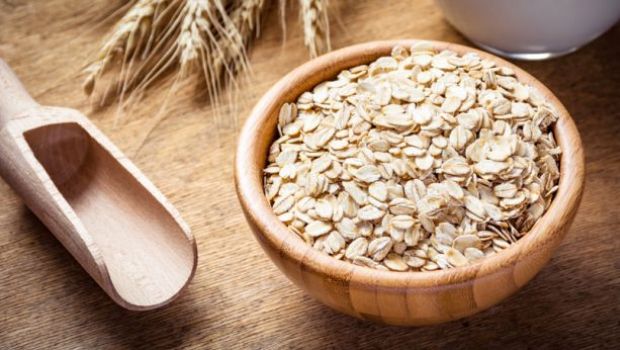
Oatmeal: Oats are packed with dietary fibre and help a person feel full for a longer period, thus serving as a filling breakfast or snack and increasing the body’s energy levels.
Sunflower Seeds: These seeds are high in the antioxidant vitamin E, which helps protect the liver from further damage, and are a healthy snack for munching in between meals.
Garlic: This popular flavour-enhancing ingredient helps burn extra fat, which in turn helps in reducing weight.
Fish: Rich in omega-3 fatty acid, fish is an excellent food that improves liver function and reduces inflammation.
If NAFLD is detected and managed at an early stage, it is possible to reduce the amount of fat in the liver and prevent the condition from worsening.
Adopting a healthy lifestyle is the first step towards managing NAFLD. Reducing weight, eating healthy, exercising moderately, and avoiding alcohol can reduce the risk of NAFLD. Consuming alcohol does not cause NAFLD, but it can worsen the condition.
Medicines can be useful in managing the symptoms associated with this condition. Using medications that have natural ingredients can restore the functional efficiency of the liver. Formulations containing natural ingredients such as The Caper Bush (Himsra) and Chicory (Kasani) improve the functional efficiency of the liver, protect the liver structure, boost liver health, and remove toxins from the body.
The liver carries out various functions that are critical for good health. It helps break down food, purify blood, build proteins, remove harmful substances, balance hormones, and store energy. Hence, it is advisable to consume a healthy diet and supplements containing herbal ingredients that help the liver metabolise foods, eliminate waste, and balance hormones.
Western diets may improve fat digestion, absorption, says study
 Western diets, high in fat and simple sugar, may promote the growth of bacteria in the small intestine that increases fat digestion and absorption, a study claims. The study, published in the journal Cell Host and Microbe, determined if microbes were required for digestion and absorption of fats. The researchers from the Midwestern University in the US assessed which microbes were involved, and the role of diet-induced microbes on the digestion and uptake of fats. They conducted a series of experiments to demonstrate that mice reared germ-free (GF) are protected from diet-induced obesity and are unable to absorb fat compared to conventionally-raised mice, also known as specific pathogen free (SPF) mice.
When the germ-free animals are given small intestine microbiota from high fat conditions, they are able to absorb fat, said Kristina Martinez-Guryn, an assistant professor at Midwestern University. The findings suggest that these microbes facilitate production and secretion of digestive enzymes into the small bowel, Martinez-Guryn said. Those digestive enzymes break down dietary fat, enabling the rapid absorption of calorie-dense foods, the researchers said. Additional experiments showed that bacteria-derived bioactive products stimulate absorptive cells in the small intestine to package and transport fat for absorption.
Therefore, bacteria in the small intestine orchestrate a series of events that allow the host to efficiently absorb fat. It is expected that these diet-microbe interactions can lead to over-nutrition and obesity over time, researchers said. While most studies have focused on the large intestine, this study highlights the microbiota in the small bowel, the major site of macronutrient digestion and absorption. Understanding host-microbe interactions in this region has significant clinical implications, especially in preventing and treating obesity and diabetes, researchers said.
“I would say the most important takeaway overall is the concept that what we eat – our diet on a daily basis – has a profound impact on the abundance and the type of bacteria we harbour in our gut,” said Martinez-Guryn. “These microbes directly influence our metabolism and our propensity to gain weight on certain diets,” she said. “Our results suggest that we can use pre- or probiotics or even develop post-biotics (bacterial-derived compounds or metabolites) to enhance nutrient uptake for people with malabsorption disorders, such as Crohn’s disease, or alternatively, we could test novel ways to decrease obesity,”