NEW DELHI: The government of India (GOI) and Asian Development Bank (ADB) has signed a 300 million dollar loan to improve primary health care in urban areas of 13 states that will benefit over 256 million urban dwellers including 51 million from slum areas.
As per an official release by the Ministry of Finance, “Rajat Kumar Mishra, Additional Secretary, Department of Economic Affairs in the Ministry of Finance, signed for the GOI the agreement for Strengthening Comprehensive Primary Health Care and pandemic preparedness in Urban Areas Program while Takeo Konishi, Country Director of ADB’s India Resident Mission, signed for ADB.”
Mishra said, “the programme supports the Government of India’s key health initiatives – Ayushman Bharat Health and Wellness Centres (AB-HWC) and Pradhan Mantri Atmanirbhar Swasth Bharat Yojana (PM-ASBY) – which has been renamed as Pradhan Mantri Ayushman Bharat Health Infrastructure Mission (PM-ABHIM) – by expanding availability and access to quality primary health care services particularly for vulnerable populations in urban areas.”
Ayushman Bharat programme, launched in 2018, aims to improve access to comprehensive primary health care as a key strategy to achieve universal health coverage in India. With the spread of the coronavirus disease (Covid-19) pandemic that put additional pressure on the country’s health system, the government launched PM-ASBY later renamed as PM-ABHIM in October 2021 to adopt a long-term approach to system strengthening to prepare for future pandemics and other emergencies.
“Ensuring equitable access to non-COVID-19 primary health care is critical amid challenges posed by the coronavirus pandemic to India’s health system,” said Konishi.
The programme will be implemented in urban areas across 13 states: Andhra Pradesh, Assam, Chhattisgarh, Gujarat, Haryana, Jharkhand, Karnataka, Madhya Pradesh, Maharashtra, Rajasthan, Tamil Nadu, Telangana, and West Bengal.
Besides the pandemic response, interventions through the program promote increased utilization of urban HWCs with the provision of comprehensive primary health care packages including non-communicable diseases and community outreach services such as awareness-raising activities on health care options, particularly for women.
Delivery and health information systems for primary health care will be upgraded through digital tools, quality assurance mechanisms, and engagement and partnership with the private sector.
The programme is supported by a 2 million dollar technical assistance grant from ADB’s Japan Fund for Poverty Reduction to provide support for programme implementation and coordination, capacity building, innovation, knowledge sharing and application of scalable best practices across the healthcare system.
New Delhi: Union Minister Parshottam Rupala on Tuesday stressed the need to create more awareness among farmers about antimicrobial resistance, which has emerged as a serious health problem globally. Antimicrobial Resistance (AMR) occurs when bacteria, viruses, fungi and parasites change over time and no longer respond to medicines, making infections harder to treat and increasing the risk of disease spread, severe illness and death, according to the World Health Organisation (WHO).
Addressing a stakeholders’ workshop on “national action plan to combat antimicrobial resistance” organised with the support of UN body Food and Agriculture Organisation (FAO), Rupala said: “The pandemic highlighted the need to address the issues of endemic diseases. We need to address environmental health as well as animal health along with our efforts to ensure quality human healthcare systems and initiatives”.
Since animals are at the core of zoonotic disease emergence, sincere and coordinated efforts are required to strengthen the overall animal health infrastructure and capacity at state, regional, and national levels, the minister for animal husbandry, dairying and fisheries said.
He also emphasised the need to focus on three areas — awareness building, adopting wellbeing for all with Ayurveda practices and ensuring cleanliness.
Stating that AMR has emerged as one of the principal public health problems of the 21st century, Animal Husbandry and Dairying Secretary Atul Chaturvedi said the central government, in coordination with FAO, has started review and revision of the National Action Plan for AMR.
“On the revision of the plan for livestock, more states will be motivated to develop State Action Plans for AMR to launch state-specific initiatives for effective containment of AMR in states and well as in the country,” he added.
To tackle the challenges of zoonotic diseases and AMR, the secretary said that implementing the “One Health framework” is imminent and most urgent.
To address this, a “one health support unit” has been set up, comprising of domain experts across veterinary science, epidemiology, wildlife, disease diagnosis, laboratory assessor, data standards, and human health sectors, he added.
According to the ministry, the WHO had spearheaded the development of a ‘Global Action Plan on AMR’, which was approved in 2015.
In April 2017, India was amongst the first nations to have launched the National Action Plan (NAP) for AMR for 2017-2021. Many activities have since been undertaken as per the Action Plan, it said in a statement.
The stakeholder workshop addressed revision of the NAP for 2022-2025 with a special focus on AMR activities implementable through the animal husbandry sector, it added.
Minister of State for Animal Husbandry, Dairying and Fisheries L Murugan, FAO country representative Tomio Shichiri were, among others, present at the workshop. PTI LUX LUX BAL BAL
Many experts have recommended booster doses of the COVID-19 vaccine in India, especially for those with comorbidities or healthcare workers as they have already received both doses. But according to the government sources, the Centre is right now focusing on maximum coverage of full vaccination under the ‘Har Ghar Dastak’ program. Dr Samiran Panda who is the head of the Epidemiology and Infectious diseases division at the Indian Council of Medical Research (ICMR) said that right now the scientific evidence from within the country does not underline the need for a booster dose.
JAIPUR: Residents doctors at government medical colleges across the state are having to operate at 66 per cent of their total strength amid the ongoing spurt in dengue and Covid-19 cases due to the delay in NEET-PG counselling.
The resident doctors across state medical colleges on Saturday were seen working wearing black ribbons on their arms, which signified that they had to work extra to compensate for the 33.3% of resident doctors (1st year), who are yet to join their duties.
The National Eligibility cum Entrance Test (NEET-PG), which was supposed to be conducted in March, had witnessed a delay this year due to the pandemic and even after the exam was held in September, there is now a stay on the process of counselling as some candidates have challenged the reservation policy adopted for admission to postgraduate seats.
Six months ago, almost one-third of the resident doctors were released by medical colleges as their residentship got over.
“Resident doctors have to work in hospitals attached to their medical colleges during the 1st, 2nd and 3rd years of their postgraduation. Even as the third batch passed out six months ago, and the fresh batch (1styear) is yet to join. In such a case, only two batches are working in place of three,” said Dr Amit Yadav, president of Jaipur Association of Resident Doctors.
Dr Yadav said, “Number of dengue cases and other seasonal diseases has gone up and the fear of the third wave of Covid-19 is still there. In such a situation, only 66% resident doctors currently working, which is a cause of concern.”
Not only resident doctors from SMS Medical College, but also from other government medical colleges in Ajmer, Bikaner, Jodhpur, Udaipur, Bikaner, Kota, and Jhalawar had also worked wearing black ribbons on Saturday.
“Across the state, in all three batches of PG, there should be around 3,000 resident doctors, but currently around 66% of them are working,” said Dr Sunil Harsh, a resident doctor at Bikaner medical college and secretary of service doctors’ wing of the Indian Medical Association.
New Delhi: India recorded 10,302 infections in the last 24 hours. The cumulative covid numbers have now reached 3,44,99,925, as reported by PTI. During the same period, the number of active cases declined to 1,24,868 as updated by the Union Health Ministry at 8 am today.
Number of people recovered was recorded at 3,39,09,708. While 267 people succumbed to the infection, recording the death toll 4,65,349. Out of 267 people who died in the last 24 hours, 204 were reported from Kerala whereas 15 were reported from Maharashtra. The case fatality rate was at 1.35 percent.
As per the report, the number of active cases has decreased by 1,752 in the last 24 hours. The national COVID-19 recovery rate was recorded at 98.29 percent. This rate of recovery is the highest since March last year, said the report.
The daily number of coronavirus cases has been recorded below 20,000 for consecutive 43 days and less than 50,000 146 days in a row.
Out of the 4,65, 349 deaths reported so far in the country, 1,40,707 were from Maharashtra, 38,169 from Tamil Nadu, 25,095 from Delhi, 22,909 from Uttar Pradesh, and 19,364 from West Bengal.
The Health Ministry said around 70 percent of total deaths was due to comorbidities.
At the vaccination front, over 115.79 Covid-19 vaccines have been administered do far
Kerala
As reported by the official website of the Government of Kerala on November 18, the active caseload stood at 62,391. Number of recovered cases was recorded at 7202 while 372 deaths were reported.
Today, the U.S. Food and Drug Administration amended the emergency use authorizations (EUA) for both the Moderna and Pfizer-BioNTech COVID-19 vaccines authorizing use of a single booster dose for all individuals 18 years of age and older after completion of primary vaccination with any FDA-authorized or approved COVID-19 vaccine. The Centers for Disease Control and Prevention’s (CDC) Advisory Committee on Immunization Practices will meet later today to discuss further clinical recommendations.
“Throughout the course of the COVID-19 pandemic, the FDA has worked to make timely public health decisions as the pandemic evolves. COVID-19 vaccines have proven to be the best and highly effective defense against COVID-19. Authorizing the use of a single booster dose of either the Moderna or Pfizer-BioNTech COVID-19 vaccine for individuals 18 years of age and older helps to provide continued protection against COVID-19, including the serious consequences that can occur, such as hospitalization and death,” said Acting FDA Commissioner Janet Woodcock, M.D.
Prior to today’s authorizations, a single booster dose of the Moderna and Pfizer-BioNTech COVID-19 vaccines was authorized for administration to individuals 65 years of age and older, individuals 18 through 64 years of age at high risk of severe COVID-19 and individuals 18 through 64 years of age with frequent institutional or occupational exposure to SARS-CoV-2. Today’s action expands the use of booster doses of both vaccines to include all individuals 18 years of age and older at least six months after completion of the primary vaccination series of the Moderna COVID-19 Vaccine or Pfizer-BioNTech COVID-19 Vaccine or at least two months after completion of primary vaccination with the Janssen COVID-19 Vaccine.
“The FDA has determined that the currently available data support expanding the eligibility of a single booster dose of the Moderna and Pfizer-BioNTech COVID-19 vaccines to individuals 18 years of age and older,” said Peter Marks, M.D., Ph.D., director of the FDA’s Center for Biologics Evaluation and Research. “Streamlining the eligibility criteria and making booster doses available to all individuals 18 years of age and older will also help to eliminate confusion about who may receive a booster dose and ensure booster doses are available to all who may need one.”
Data Supporting Effectiveness
The EUA for a single booster dose for individuals 18 years of age and older for the Moderna (administered as half of the dose of a primary series dose) and Pfizer-BioNTech COVID-19 vaccines is based on the FDA’s analysis of immune response data that supported use in the previously authorized populations for boosters.
For the Moderna COVID-19 Vaccine booster dose, the FDA analyzed the immune response data from 149 participants 18 years of age and older from the original clinical studies who received a booster dose at least six months after their second dose and compared it to the immune responses of 1,055 study participants after completing their two-dose series. The antibody response against the SARS-CoV-2 virus 29 days after a booster dose of the vaccine demonstrated a booster response.
For the Pfizer-BioNTech COVID-19 Vaccine booster dose, the FDA analyzed the immune response data from approximately 200 participants 18 through 55 years of age who received a single booster dose about six months after their second dose. The antibody response against the SARS-CoV-2 virus one month after a booster dose of the vaccine when compared to the response one month after the two-dose primary series in the same individuals demonstrated a booster response.
FDA Evaluation of Benefits and Risks
Since Moderna and Pfizer-BioNTech initially submitted safety and effectiveness data on a single booster dose following primary vaccination to the FDA, additional real-world data have become available on the recently increasing number of cases of COVID-19 in the U.S. and on the risk of myocarditis (inflammation of the heart muscle) and pericarditis (inflammation of the outer lining of the heart) following vaccination with these vaccines. These additional data enabled the FDA to reassess the benefits and risks of the use of these vaccines in the general adult population. The FDA has determined that the benefits of a single booster dose of either the Moderna or Pfizer-BioNTech COVID-19 vaccines outweigh the risks of myocarditis and pericarditis in individuals age 18 years of age and older when used following completion of primary vaccination to provide continued protection against COVID-19 and the associated serious consequences that can occur including hospitalization and death.
Both Pfizer and Moderna are conducting post-authorization/post-marketing studies to assess known serious risks of myocarditis and pericarditis. In addition, the FDA and the CDC have several systems in place to continually monitor COVID-19 vaccine safety and allow for the rapid detection and investigation of potential safety concerns.
The fact sheets for both vaccines for recipients and caregivers and for healthcare providers contain information about the potential side effects, including the risk of myocarditis and pericarditis. The most commonly reported side effects by individuals who received a booster dose of the vaccines were pain, redness and swelling at the injection site, as well as fatigue, headache, muscle or joint pain and chills. Of note, swollen lymph nodes in the underarm were observed more frequently following the booster dose than after the primary two-dose series.
The FDA did not hold a meeting of the Vaccines and Related Biological Products Advisory Committee on these actions as the agency previously convened the committee for extensive discussions regarding the use of booster doses of COVID-19 vaccines and, after review of both Pfizer’s and Moderna’s EUA requests, the FDA concluded that the requests do not raise questions that would benefit from additional discussion by committee members.
The amendments to the EUAs were granted to ModernaTX Inc. and Pfizer Inc.
Related Information
###
Boilerplate
The FDA, an agency within the U.S. Department of Health and Human Services, protects the public health by assuring the safety, effectiveness, and security of human and veterinary drugs, vaccines and other biological products for human use, and medical devices. The agency also is responsible for the safety and security of our nation’s food supply, cosmetics, dietary supplements, products that give off electronic radiation, and for regulating tobacco products.
New Delhi: Accelerated domestic vaccination drive along with trends like ‘revenge travel’ during the festive season and easing of Covid-19 restrictions has bouyed Vistara’s demand outlook.
Accordingly, the airline operating at more than 90 per cent of pre-pandemic capacity, expects to reach pre-Covid levels of demand “very soon”.
In a conversation with IANS, Vinod Kannan, Chief Commercial Officer, Vistara, cited a consistent rise in demand for domestic air travel during the last two to three months.
“The government’s decision to remove restrictions on capacity deployment has also come as a very welcome news for the industry. We can expect to reach pre-Covid levels of demand very soon. We are already operating more than 90 per cent of our pre-Covid capacity,” he said.
Besides, he pointed out that even international routes have been performing well due to the growing number of countries easing travel restrictions.
At present, India has formed air bubble pacts with about 28 countries. India-based airlines are allowed to operate flights to these countries on a reciprocal basis.
“We can expect the (demand) trend to move in a positive direction and the demand to increase progressively, subject to no large shocks like a third wave,” Kannan said.
According to Kannan, the airline witnessed a surge in demand during the festive season which was backed by increasing confidence in air travel.
“This surge can be attributed to people visiting friends and relatives (VFR) or travelling for leisure particularly on the metro routes, between cities such as Delhi, Mumbai, Chennai, Hyderabad, Bengaluru, Kolkata and leisure destinations such as Goa and Leh.
“We hope that the demand will continue to rise in the coming months as well,” he added.
In addition, he said that the airline has resumed hiring selectively, aligned with its growth strategy.
“Despite the challenges of the pandemic, we have been focused on our expansion plans and have been consistently working towards it. As the market gradually started improving from the impact of the pandemic in the second half of 2020, we continued to tread our way carefully….”
The airline is a joint venture between Tata Sons and Singapore Airlines Limited (SIA).
Currently, it has a fleet of 50 aircraft, comprising 39 Airbus A320, four Airbus A321neo, five Boeing 737-800NG, and two Boeing 787-9 Dreamliner aircraft, and has flown more than 29 million.
A national digital drugs databank will help in addressing “information asymmetry” as well as provide key inputs in mapping the regulatory needs of different states, according to a pharmaceutical sector study conducted by the Competition Commission of India. The fair trade watchdog, which works on ways to foster competition and curb anti-competitive practices, in the market study found that brand competition overrides price competition in the domestic market where generic formulations are marketed with distinct brand names.
Generic drugs play an important role in bringing down drug prices, thereby reducing healthcare costs and improving access. In India, generics dominate pharmaceutical sales, and the generic manufacturing within each molecule/formulation market is characterised by the presence of multiple manufacturers.
The Competition Commission of India (CCI) has pitched for a multi-pronged and harmonised regulatory response to the issue of drug quality, including setting up a national digital drugs database.
“A comprehensive, online, centralised drug databank consolidating real-time data on active pharmaceutical manufacturing companies in the country, therapeutic class wise/formulation-wise approved branded/unbranded products along with their manufacturing and marketing entities may be created, maintained, and made accessible to regulators, industry, physicians and consumers,” it noted.
Such a database, the watchdog said, will help address information asymmetry and provide important inputs in mapping the regulatory needs in different states.
Information gaps on grant of licences, inspections and prosecutions for non-compliance, among others, could be bridged through real-time data that could be published on a central online portal, it added.
As per the study released on Thursday, a pre-requisite for competition in generics to move from non-price to price dimension is to dispel concerns about drug quality.
Promotion/ facilitation of generic entry, prescription by generic drug name and substitution between generics by chemists, which are reckoned as vital pro-competitive instruments, can yield the desired outcome of exposing pharmaceutical expenditure to significant price competition, subject to certain conditions.
“…only when all generic drugs in a therapeutic class in their unbranded and branded versions are considered interchangeable and equally efficacious by stakeholders,” the study noted.
Another suggestion is to have an institutional quality-signalling mechanism through the printing of standard compliance marks on unbranded drugs, which meet the quality standards.
“This may provide the necessary confidence to the physician community to prescribe generic names. This can also boost consumer confidence in unbranded generic drugs,” the study said.
Uniform and effective implementation of existing quality standards, better transparency, quality control across the supply chain as well as in public procurement are among the other suggestions.
About online pharmacies, the study said such entities should adopt self-regulatory measures in the areas of collection, use, sharing of data and privacy.
“However, for safeguarding patient privacy and protecting sensitive personal medical data, necessary regulations need to be enforced until the country legislates its data protection law,” it added.
How often has this happened to you: You pick up a prescription at the pharmacy and later realize you have questions about something in the directions or warnings. Or you buy an over-the-counter (OTC) drug but aren’t sure about the correct dosage after reading the label.
That’s where pharmacists come in. Whether at your local pharmacy or the U.S. Food and Drug Administration, pharmacists help patients achieve the best possible outcome when taking drugs.
Pharmacists can help people take their medicine properly and continue to take it for as long as recommended. For example, they can answer questions about other drugs and foods that can cause an interaction and advise you to consult with your health care provider when your usual medication is unavailable.
Pharmacists are a bridge between the patient and their prescriber. They are experts at interpreting information for patients.
What Your Pharmacist Should Know
“Help your pharmacist get to know you and what questions you have,” says pharmacist Mary E. Kremzner, a public health expert at the FDA. “Pharmacists really want to help people get the maximum benefit from the drugs they need to take, with the least amount of risk.”
For example, some large pills are hard to swallow. “The pharmacist will know the drug’s makeup and whether you can crush it without changing how it works,” Kremzner says.
Another risk is interactions – food-drug or drug-drug. “For example, if you take a statin to lower your cholesterol, you might need to avoid drinking large amounts of grapefruit juice because it can make some drugs too powerful, even toxic,” says pharmacist Lindsay Wagner, a public health expert at the FDA. “However, the strength of the interaction varies among drugs. If grapefruit juice is part of your daily routine, your pharmacist can recommend that you consult with your health care provider about an alternative so you can enjoy your juice safely.”
Let your pharmacist know what questions you have about the information you’ve received. This includes the instructions from your prescriber, information you received from the pharmacy, or articles you’ve read online. Conflicting advice and information can leave anyone confused.
Misinformation can add to the confusion. Many people who share misinformation don’t realize the information is false. Misinformation can come from people you know, like your friends and family, making it especially difficult to tell truth from fiction. Pharmacists are there to help sort through what you’ve heard.
“We’re here to help. We do our best to answer every question and help consumers find trustworthy and credible sources for information,” Wagner says.
Your pharmacist should know:
Everything you take for your health. All medications you take (prescription and nonprescription) as well as all vitamins and supplements.
Your medical history and experience with medications, including allergic reactions and side effects.
If you are pregnant or breastfeeding (nursing).
If you have trouble swallowing pills, opening bottles, reading labels, or remembering when to take your medicine.
Questions you have about what you’ve been told or read online about your medication.
How FDA Pharmacists Can Help
Call your local pharmacist or the FDA’s drug information pharmacists if you have questions after receiving a medicine.
The FDA’s Division of Drug Information (DDI) is home to a staff of pharmacists who respond to questions about human drugs for the U.S. public. DDI gets several hundred calls and emails each day, with more than half of them from consumers.
FDA pharmacists can even help you identify a tablet or pill. For example, there may be many different approved generics that can be substituted for one brand-name drug, and their tablets can look different.
“Generic drugs can vary in size, shape, and color and still be the same medicine,” Kremzner says. “That can be confusing to some people. When in doubt, call your local pharmacist or the FDA if you have questions about whether they are the same product. We also can help you understand the medications you’re taking.”
What Consumers Ask the FDA
When in doubt, reach out to us and ask. Here are some of the top questions DDI pharmacists answer.
Q. What are the possible side effects of my medicine, and how can I report my experience to the FDA?
A. Approved drugs have benefits as well as side effects, which are listed in the drug’s labeling. If you didn’t receive a printout with your medication, you can find the labeling online from Drugs@FDA or labels.fda.gov. For OTC drugs, you can find side effects in the “Drug Facts” labeling printed on the outer wrapper or container of the drug.
To report a side effect or medication error, use the FDA’s MedWatch Safety Information and Adverse Event Reporting Program:
Complete and submit the report online.
Download the form or call 1-800-332-1088 to request a reporting form sent to you in the mail, then complete and return to the address on the form, or submit it by fax to 1-800-FDA-0178.
Q. Where can I find credible information online about my medications and health?
A. The FDA website fda.gov/drugs offers credible and trustworthy information about prescription and OTC drugs. Medline Plus (medlineplus.gov) is a health information resource for consumers that provides high-quality, trusted information.
Q. Are generic drugs the same as brand-name drugs?
A. Yes. Federal law requires generic drugs to be the same as brand-name drugs. They are as safe and effective and meet the same quality standards as brand-name drugs. They are the same in the way they work, the way they are taken, and the way they should be used. Generics also reach the site of action in the body at the same rate and extent as the brand-name drugs.
Q. Will this treatment I read about online help or hurt me?
A. Health fraud scams will try to sell you treatments that are not proven to work and may cause serious or even fatal injuries. Scams are very common today, especially on social media. If you’re unsure, ask your local pharmacist or contact the FDA.
Q. How do I discard medicine I no longer need?
A. The best way to dispose of most types of unused or expired medicines is to drop off the medicine at a drug take back location immediately. Many pharmacies also serve as take back locations.
Certain medicines should be flushed down the sink or toilet because they are especially harmful and can cause death in a single dose. Flushing medicines on the flush list helps make sure children, pets, or anyone else does not accidentally take the medicine. If you can’t get to a take back location and your medication is not on the flush list, you may be able to dispose of it safely in your household trash by following some simple instructions.
Stay Informed and Get Updates from the FDA
The FDA shares information about drugs through email updates and social media. Stay informed by following the FDA’s official Facebook account (facebook.com/FDA), and DDI’s Twitter handle (@FDA_Drug_Info) and email alerts.
Subscribing to email alerts is easy, and there are many important topics.
When it comes to taking care of her lustrous mane, ‘Param Sundari’ Bollywood actor Kriti Sanon is very particular. The Hum Do Humare Do actor swears by natural products and is obsessed with avocados at the moment. She believes in maintaining a healthy lifestyle for her overall well-being and loves experimenting with her hairstyles. We find out more about her hair-care regimen as she becomes the brand ambassador of Naturali, a personal care brand.
Excerpts:
Since your hair undergoes a lot of chemicals and treatments, what is your hair-care regimen like? I like to keep things simple and use a shampoo and a conditioner that’s free from harmful chemicals. Sulphates and parabens can make your hair dry and dull so it is important to pick a shampoo-conditioner that has natural ingredients in it. Moringa oil and avocado not only reverse damage caused by constant styling but also help moisturise the scalp and restore shine. I also indulge in regular deep conditioning at home and hair spa treatments.
Kriti Sanon
Are there any homemade remedies that you swear by? I enjoy DIYs but I won’t lie that it gets quite messy and is also time-consuming. Instead, I am always on the lookout for products that are infused with natural ingredients such as avocado, red onion, green tea etc. I am currently obsessing over avocado, it is a superfood that does wonders, not just for hair but also the skin!
For the film Mimi, you gained weight and then got back into shape. This sudden weight loss and gain also causes stress on the hair. How do you deal with it? Fortunately, I did not see any direct impact on my hair. I ensured I was maintaining a healthy lifestyle even through the weight-gain process and used the right products that are good for my hair and deliver quick results.
Is there any diet that you specifically follow for healthy hair? Eat protein-rich food, add greens to your diet, don’t skip your daily dose of vitamins and most importantly, maintain a balanced lifestyle. Avocado is something that I have integrated into my life quite religiously—it not only moisturises the hair but also repairs and strengthens your tresses. You’ll see the difference almost immediately.
Do you like experimenting with your hair or like to keep it natural? I love to wear my hair naturally on the go. I do experiment with my colour and opt for hair accessories to jazz up a look. I always keep cloth headbands handy.
Beauty essentials in your bag? Concealer, lip tint, and a peachy nude simple lipstick.
Which Bollywood or Hollywood star’s hairstyle do you like? I love JLo’s sense of style and the way she keeps experimenting. I love Dakota Johnson and Blake Lively’s casual hairstyles as well as Zendaya’s hair game!
 Asian Tribune Your Multilingual Newspaper covering World and local news News
 NEW DELHI: The government of India (GOI) and Asian Development Bank (ADB) has signed a 300 million dollar loan to improve primary health care in urban areas of 13 states that will benefit over 256 million urban dwellers including 51 million from slum areas.
 New Delhi: Union Minister Parshottam Rupala on Tuesday stressed the need to create more awareness among farmers about antimicrobial resistance, which has emerged as a serious health problem globally. Antimicrobial Resistance (AMR) occurs when bacteria, viruses, fungi and parasites change over time and no longer respond to medicines, making infections harder to treat and increasing the risk of disease spread, severe illness and death, according to the World Health Organisation (WHO).
 JAIPUR: Residents doctors at government medical colleges across the state are having to operate at 66 per cent of their total strength amid the ongoing spurt in dengue and Covid-19 cases due to the delay in NEET-PG counselling.
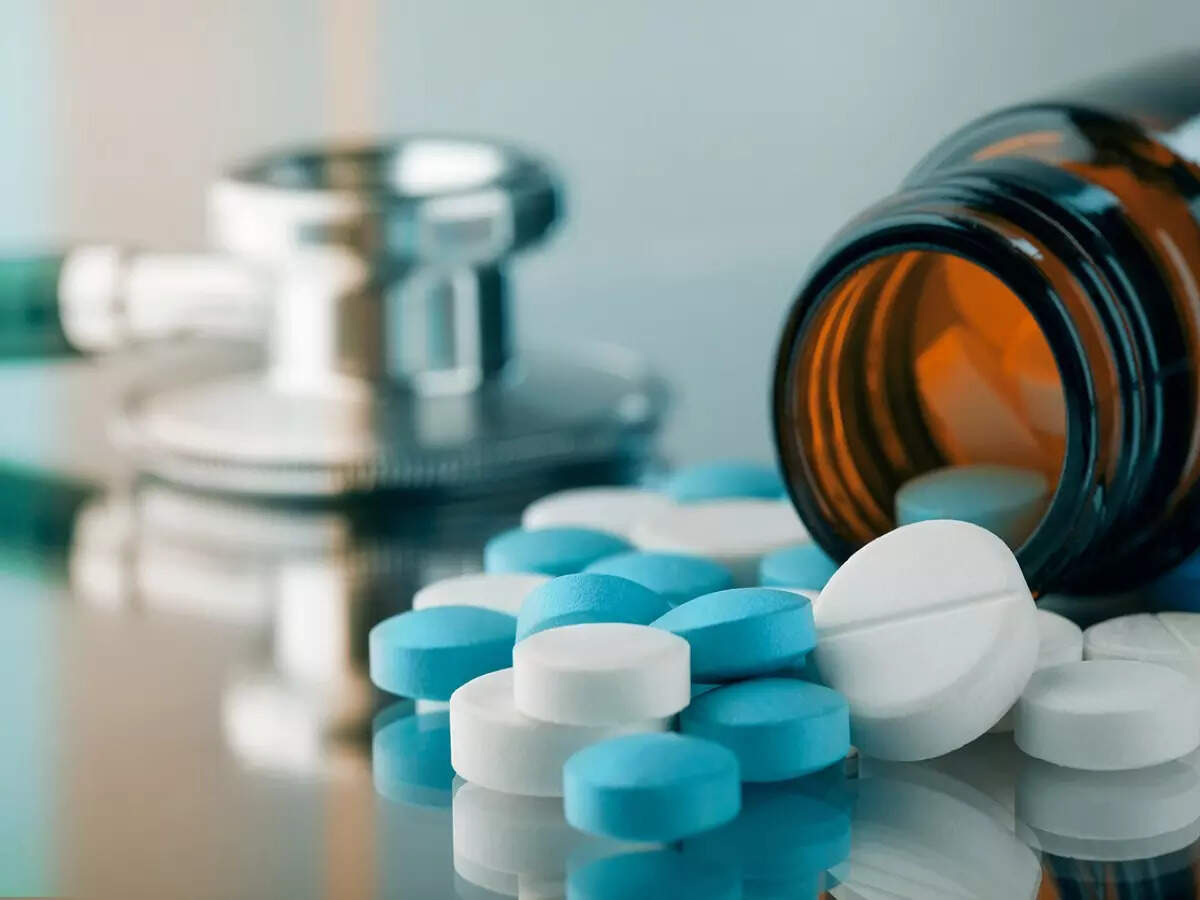 A national digital drugs databank will help in addressing “information asymmetry” as well as provide key inputs in mapping the regulatory needs of different states, according to a pharmaceutical sector study conducted by the Competition Commission of India. The fair trade watchdog, which works on ways to foster competition and curb anti-competitive practices, in the market study found that brand competition overrides price competition in the domestic market where generic formulations are marketed with distinct brand names.

