Home / Health (page 11)

Health

Health

Private medical colleges in Karnataka cite Covid losses, seek 20% fee hike, Health News, ET HealthWorld

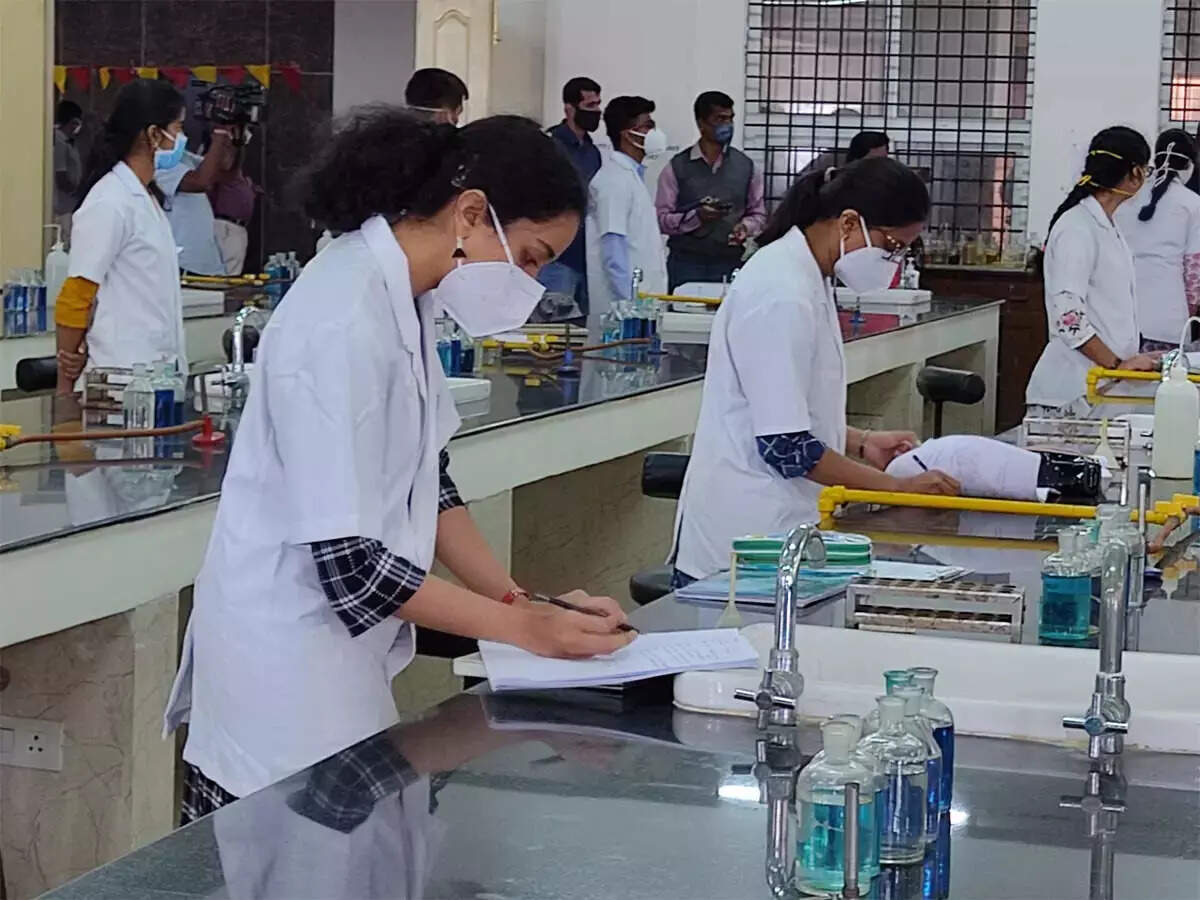
Private medical colleges in Karnataka cite Covid losses, seek 20% fee hikeBENGALURU: Private medical colleges in Karnataka have sought a minimum 20% hike in fee for undergraduate courses, stating they have suffered huge losses during the Covid-19 pandemic.

Establishment of oxygen plants on the campus and Covid testing facilities and stoppage of non-Covid treatment during the peak of Covid are the other reasons cited by medical colleges while seeking a fee hike during a meeting held last week.

While colleges claimed that they demanded a 30% hike, medical education director Dr PG Girish said the proposal seeks 20% increase. “The government has called a meeting on Monday to discuss it,” he told TOI.

According to data from Rajiv Gandhi University of Health Sciences, Karnataka has 8,900 undergraduate medical seats. The state government has control over 75% of these seats, which include government and private quota seats in private colleges.

‘No income since pandemic struck’

K arnataka ment medical has colleges 19 govern , 27 – private colleges, four private universities and 10 deemedto-be universities.

UG medical fee was last increased 25% in 2019. A student doing MBBS under the government quota in a private medical college pays Rs 1.4 lakh a year and Rs 59,850 in a government college.

Managements said medical colleges were “nearly shut” for non-Covid admissions during the pandemic hurting their income, adding it’s difficult to run a college in such circumstances. They said that from 2021-22, all the seats will be allotted through all-India counselling and this is the last year colleges can negotiate with the government on fee revision.

According to MR Jayaram, chairman, MS Ramaiah Medical College, and chairman of Karnataka Professional Colleges’ Foundation, all private medical colleges had been virtually handed over to the government in the past 18 months. “In our hospital, we handed 800 beds to the government for Covid treatment. No other treatment could be taken up in that period. Medical college hospitals are running without any income since the pandemic began. Many students have not paid full fee and are opting for installments,” said Jairam.

The chief of another medical college said establishment of Covid testing facility and the mandatory setting up of oxygen plant at medical colleges to augment the supply and storage of medical oxygen for the patients hit them hard.

“The state government has agreed to bear 70% of cost of oxygen plant construction, yet colleges have to spend a minimum Rs 1.3 crore,” said the head of a private medical college.

News Source link

Product Review – Natural Face Lift

Express News Service

The easiest way to plump up your cheeks is by using a contour palette. But contouring itself is not all that easy. Kay Beauty’s Contour and Highlight Pro Palette makes sculpting simpler. Inside the slim and compact rose gold case, you get a bronzer, contour, and a highlighter—very practical for travel. I used it as a eye shadow too and boy, it did look good!

It comes with a mirror, which is a handy addition. The satin matte formulation is compatible with oily and normal skin. Dry skin may need extra moisturisation before application.

The product is buildable and blendable. The pigment ranges from neutral, warm to cool tone, and complements olive and gold-yellowish skin the best. Others may require a blending of the shades to achieve the right payoff. The water and sweat resistant aspect could have been better but overall, it is a great product.

Kay Beauty Contour and Highlight Pro Palette Price: Rs 1,099

Availability  Nykaa.com; brand stores

News Source link

Google Maps reaches 10 billion Play Store downloads | Technology News

New Delhi: Google Maps, the mobile app that`s number 1 in navigation, has now reached the important milestone of 10 billion Play Store downloads. Given that there are very few “free” mapping services that can match the accuracy and feature set of Google Maps, it is a must download no matter what mobile OS you prefer, reports 9To5Google.

It has joined a very small and elite club of apps to reach the 10 billion download milestone — which includes Google Play Services and YouTube, citing Android Police, the report said.

Maps comes pre-installed as part of Google Mobile Services but that doesn`t account for all of the downloads on the Play Store.

Either way, even as the “default” mapping service on Android, 10 billion downloads or installs is still a whopping figure, as per the report.

For those with Android Go-powered smartphones or low-end hardware, Google does offer “Maps Go,” which is effectively a Progressive Web App that is an instance of the Chrome browser that is up to 100 times smaller than the full-fat Maps app.

This slimmed-down version of Google Maps just recently amassed 500 million downloads of its own. Also Read: Karnataka Bitcoin Scam Update! Main accused taken into custody by police

Google Maps has evolved greatly over the past few years with Live AR navigation, a dedicated dark theme, real-time public transit data, and recently added eco-friendly routing options among a literal mountain of tweaks and options to help you get from A to B in the fastest time possible. Also Read: Modified iPhone X With USB-C port selling on eBay, bids cross Rs 70 lakh

News Source link

Exclusive: Tips for Asthma patients to enjoy a safe Diwali | Health News

New Delhi: Festival of lights – Diwali, is just around the corner. While the festival marks the victory of good over evil, people often end up bursting crackers to celebrate, leading to a sudden spike in air and noise pollution levels in the environment. Many celebrities, politicians, and activists have been advocating ‘Green Diwali’ to enjoy festivities to the maximum without any negative repercussions.

Diwali can particularly be stressful for people suffering from Asthma and other respiratory diseases. Toxic fumes from fireworks raise the particulate matter content in the air above the permissible limits and can increase the risk of complexities for people with respiratory diseases.

Dr Anshu Punjabi, Consultant-Pulmonologist and Sleep Medicine Expert, Fortis Hospital, Mulund shares what you should do to protect yourself during the rise in Air Pollution levels during Diwali festivities.

Avoid going out 

Avoid going out and bursting crackers. The smoke released from the crackers contains adulterants like carbon monoxide and sulphur dioxide. These harmful substances can worsen asthma. Keep your room smoke free. Try to stay indoors with the air condition on, if possible, to avoid feeling too suffocated.

Wear a face mask

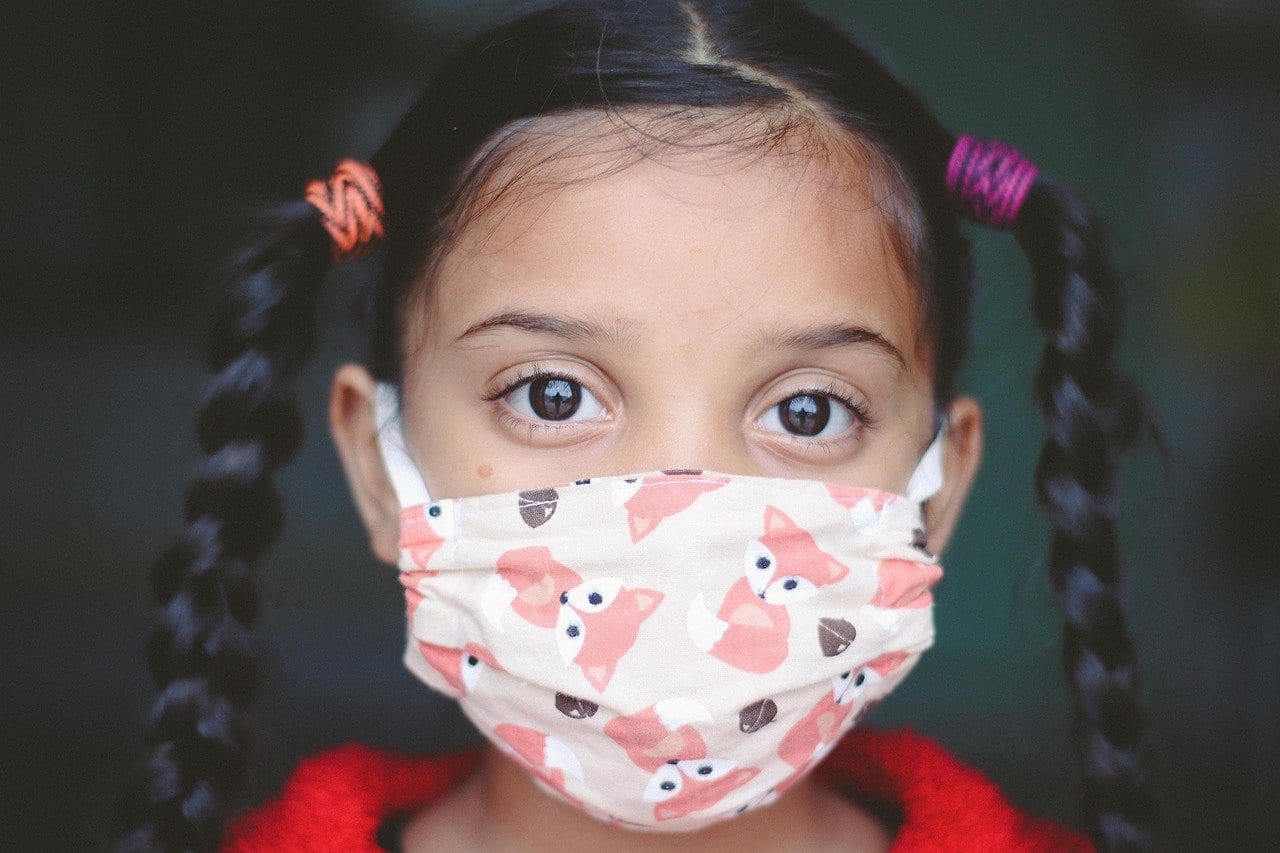
In case you need to step out, wear a face mask. Consider wearing an anti-pollution face mask that can prevent fumes from making their way into the respiratory system.

Eat Healthy Food And Drink Water 

Although Diwali is all about delicious food and sweets, do watch your oil and sweet intake. Eat nutritional food comprising fruits and vegetables. This may help you improve your overall health. Drink an ample amount of water to stay hydrated and prevent hyperacidity. Before you go to bed, drink a mug of warm water. This will prop digestion and help clear the adulterants from the respiratory system. 

Keep your inhaler nearby 

People with pre-existing respiratory conditions must keep their emergency drugs, nebulizers and other medicines handy at all times. Make sure that you take all your medicines, on time.

Inhale Steam

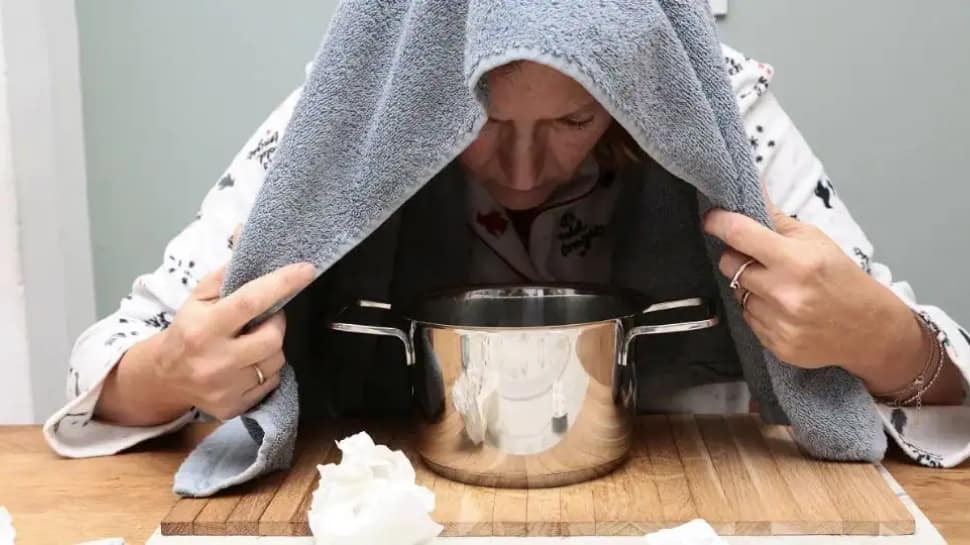
Inhale steam if you are having runny nose or irritation in nose or throat.

Do not do dusting yourself

Nearly everyone cleans their house before Diwali. You must stay down from the house-cleaning process if you have respiratory problems as dust can spark breathing problems.

(Disclaimer: Expert advice or doctor’s discretion is advisable for extreme cases. Patients are requested to consult medical practitioners for immediate relief).

News Source link

What Is Alzheimer’s Disease?

Alzheimer’s disease is a brain disorder that slowly destroys memory and thinking skills and, eventually, the ability to carry out the simplest tasks. People with Alzheimer’s also experience changes in behavior and personality.

More than 6 million Americans, many of them age 65 and older, are estimated to have Alzheimer’s disease. That’s more individuals living with Alzheimer’s disease than the population of a large American city. Many more people experience Alzheimer’s in their lives as family members and friends of those with the disease.

The symptoms of Alzheimer’s disease — changes in thinking, remembering, reasoning, and behavior — are known as dementia. That’s why Alzheimer’s is sometimes referred to as “dementia.” Other diseases and conditions can also cause dementia, with Alzheimer’s being the most common cause of dementia in older adults.

Alzheimer’s disease is not a normal part of aging. It’s the result of complex changes in the brain that start years before symptoms appear and lead to the loss of brain cells and their connections.

What Causes Alzheimer’s?

The causes of Alzheimer’s disease are not yet fully understood, but probably include a combination of:

  • Age-related changes in the brain, like shrinking, inflammation, blood vessel damage, and breakdown of energy within cells, which may harm neurons and affect other brain cells.
  • Changes or differences in genes, which may be passed down by a family member. Both types of Alzheimer’s — the very rare early-onset type occurring between age 30 and mid-60s, and the most common late-onset type occurring after a person’s mid-60s — can be related to a person’s genes in some way. Many people with Down syndrome, a genetic condition, will develop Alzheimer’s as they age and may begin to show symptoms in their 40s.
  • Health, environmental, and lifestyle factors that may play a role, such as exposure to pollutants, heart disease, stroke, high blood pressure, diabetes, and obesity.

Watch this video to see how Alzheimer’s disease changes the brain.

What Are the Signs and Symptoms of Alzheimer’s?

Memory problems are often one of the first signs of Alzheimer’s. Symptoms vary from person to person, and may include problems with:

  • Word-finding, or having more trouble coming up with words than other people the same age.
  • Vision and spatial issues, like awareness of the space around them.
  • Impaired reasoning or judgment, which can impact decisions.

Other symptoms may be changes in the person’s behavior, including:

  • Taking longer to complete normal daily tasks.
  • Repeating questions.
  • Trouble handling money and paying bills.
  • Wandering and getting lost.
  • Losing things or misplacing them in odd places.
  • Mood and personality changes.
  • Increased anxiety and/or aggression.

How Is Alzheimer’s Diagnosed and Treated?

Doctors may ask questions about health, conduct cognitive tests, and carry out standard medical tests to determine whether to diagnose a person with Alzheimer’s disease. If a doctor thinks a person may have Alzheimer’s, they may refer the person to a specialist, such as a neurologist, for further assessment. Specialists may conduct additional tests, such as brain scans or lab tests of spinal fluid, to help make a diagnosis. These tests measure signs of the disease, such as changes in brain size or levels of certain proteins.

There is currently no cure for Alzheimer’s, though there are several medicines approved by the U.S. Food and Drug Administration (FDA) that can help manage some symptoms of the disease along with coping strategies to manage behavioral symptoms. In 2021, FDA provided accelerated approval for a new medication, aducanumab, that targets the protein beta-amyloid, which accumulates abnormally in the brains of people with Alzheimer’s. The new medication helps to reduce amyloid deposits, but has not yet been shown to affect clinical symptoms or outcomes, such as progression of cognitive decline or dementia.

Most medicines work best for people in the early or middle stages of Alzheimer’s. Researchers are exploring other drug therapies and nondrug interventions to delay or prevent the disease as well as treat its symptoms.

What Are the Stages of Alzheimer’s?

Alzheimer’s disease slowly gets worse over time. People with this disease progress at different rates and in several stages. Symptoms may get worse and then improve, but until an effective treatment for the disease itself is found, the person’s ability will continue to decline over the course of the disease.

Early-stage Alzheimer’s is when a person begins to experience memory loss and other cognitive difficulties, though the symptoms appear gradual to the person and their family. Alzheimer’s disease is often diagnosed at this stage.

During middle-stage Alzheimer’s, damage occurs in areas of the brain that control language, reasoning, sensory processing, and conscious thought. People at this stage may have more confusion and trouble recognizing family and friends.

In late-stage Alzheimer’s, a person cannot communicate, is completely dependent on others for care, and may be in bed most or all the time as the body shuts down.

How long a person can live with Alzheimer’s disease varies. A person may live as few as three or four years if he or she is older than 80 when diagnosed, to as long as 10 or more years if the person is younger. Older adults with Alzheimer’s disease need to know their end-of-life care options and express their wishes to caregivers as early as possible after a diagnosis, before their thinking and speaking abilities fail.

What Is Mild Cognitive Impairment?

Mild cognitive impairment, or MCI, is a condition in which people have more memory problems than normal for their age but are still able to carry out their normal daily activities. A doctor can do thinking, memory, and language tests to see if a person has MCI. People with MCI are at a greater risk for developing Alzheimer’s disease, so it’s important to see a doctor or specialist regularly if you have this condition.

What Can You Do?

If you are concerned about memory problems or other symptoms, call your doctor. If you or someone you know has recently been diagnosed, explore the resources on this website and linked below to find out more about the disease, care, support, and research.

You could help discover new ways to treat and prevent Alzheimer’s and related dementias.

News Source link

Pfizer raises COVID-19 vaccine sales forecast to $36 bn for 2021, Health News, ET HealthWorld

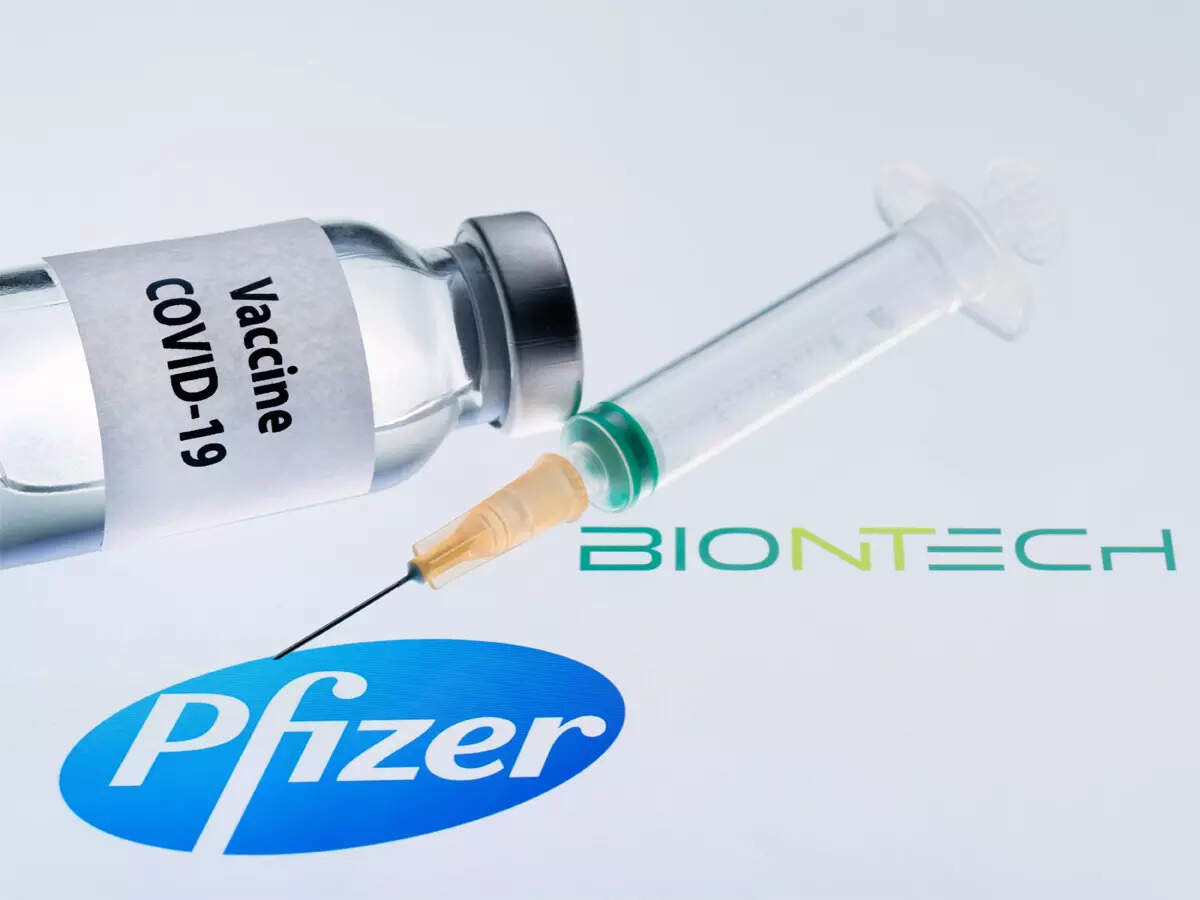
Pfizer raises COVID-19 vaccine sales forecast to $36 bn for 2021Pfizer Inc on Tuesday raised the full-year sales forecast for its COVID-19 vaccine by 7.5% to $36 billion, as it signs deals with countries for booster doses and receives clearances for using its shots in children.

The company had in July forecast sales of $33.5 billion from the vaccine it sells with BioNTech.

Driven by an unprecedented vaccination drive against the COVID-19 pandemic globally, Pfizer’s shot has quickly become one of the best-selling products in the company’s roughly 172-year history.

The company, which was well known for drugs such as Xanax and Viagra, equally splits expenses and profit with its German partner.

Pfizer expects to deliver 2.3 billion doses of the vaccine, out of the roughly 3 billion it expects to make this year.

Follow and connect with us on , Facebook, Linkedin

News Source link

Three students with 720/720 declared joint toppers, Health News, ET HealthWorld

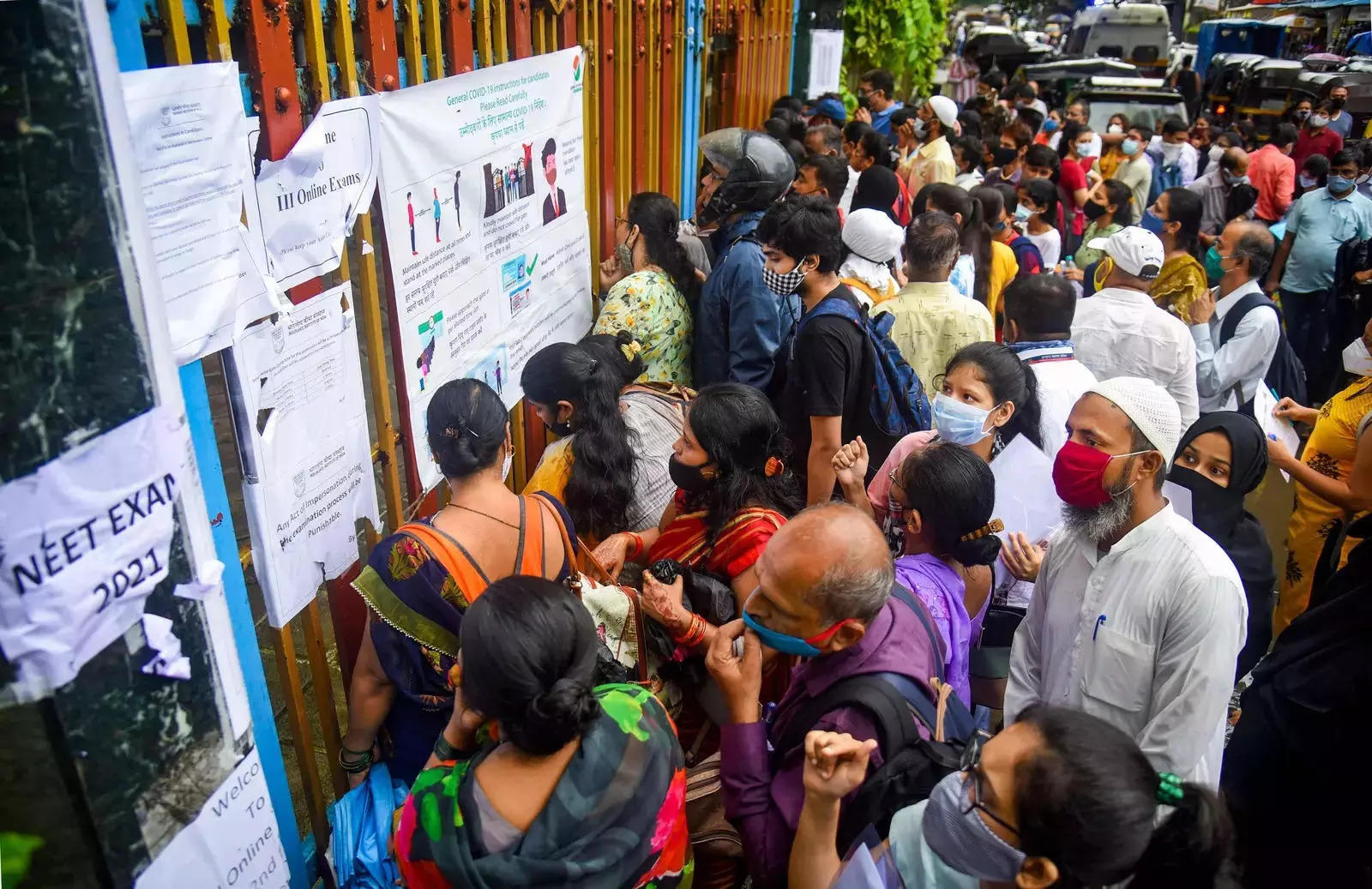
NEET UG 2021: Three students with 720/720 declared joint toppersThe National Testing Agency (NTA) released the results of the NEET-UG exam conducted in September after a slight delay in scheduling of the exam usually partaken in May due to the COVID pandemic. The National Eligibility-cum Entrance Test (NEET) UG exam is used to grant admission to students for undergraduate seats in medical or dental college all across the country. The test was taken by over 16 lakh students who will be granted admission on the basis of the merit list soon to be released.

Tanmay Gupta from Delhi, Mrinal Kutteri from Telangana and Karthika G Nair from Maharashtra were declared the three joint toppers of the NEET-UG exams after scoring a perfect 720/720 score. Securing the all India rank of 3, Karthika G Nair from Mumbai was declared the individual female topper for this year’s NEET exam.

All the three perfect scorers were ranked 1, the next topper after which was ranked fourth. 12 candidates with an identical score of 715 and similar scores in individual subjects were placed at rank fifth as NTA decided against using the age-criteria to rank the scholars.

Registering highest attendance in the last five years, 95.63% of 16.14 lakh aspirants took the exam, nearing an all-time high of 97% achieved in 2018. 8.70 lakh of the total of 15.44 candidates appearing in the exam qualified the medical entrance exam with the cut off 138 for General category and 137-108 for students belonging to OBC, SC and ST categories.

With AIIMS exams being scrapped through the 2019 ruling, NEET had become the sole exam for medical aspirants to enter the top medical colleges in the country.

Students can check their NEET results by visiting NTA’s official website neet.nta.nic.in.

News Source link

Digital Renaissance in Fertility Care, Health News, ET HealthWorld

ETHealthworld National Fertility Conclave: Digital Renaissance in Fertility CareNew Delhi: A couple’s social standing in India still largely depends on their family and ability or willingness to have one. As infertility becomes a new epidemic, the new-age technology is developing an ecosystem to embrace advancements in fertility and to adapt reproductive-health-supporting technologies. The second edition of ETHealthworld’s National Fertility Conclave will look into how digital technology is not a buzzword, but it’s building “Digital Renaissance in Fertility Care”.

Launching the second edition, ETHealthworld will be reversing on how technologies like – The Intracytoplasmic Sperm Injection (ICSI), Time-Lapse Imaging, Vitrification, AI techniques in Embryo Selection, Magnetic-activated cell sorting (MACS) are determining the new normal of the fertility industry.

The science of baby-making is now brimmed with innovation and clinical science standpoints. ETHealthworld’s National Fertility Conclave will focus on the ways to harness such innovations to patients, providers, payers and investors in the fertility market of India.

After a successful first edition, ETHealthworld is now entering into the second edition of Fertility Conclave. Creating a platform for one of the niche genres in the healthcare segments, we are proud to present the second edition as a zonal series covering North, South and West. The on-ground event will be held in Mumbai, Hyderabad, Bengaluru and Delhi.

The summit will provide an excellent opportunity for the key players of the fertility ecosystem, including fertility experts, researchers, pharmaceutical and life sciences companies and policymakers to deliberate on medical, legal and financial issues of the industry.

This year’s edition will bring in perspectives of leading fertility experts, researchers, pharmaceutical and life sciences companies and policymakers. Apart from it IVF aspirants, medical practitioners, gynaecologists, fertility clinicians, officials of IVF/fertility clinics, officials of IVF labs, fertility loan providers and IVF training institutions will also be a part of this conclave.

The Conclave will host ETHealthworld.com National Fertility Awards, in the Delhi series that recognizes the phenomenal contributors – region-wise and nationally – to the field, across 30+ categories.

News Source link

How Telemedicine can transform and Improve Neonatal Care in India, Health News, ET HealthWorld

How Telemedicine can transform and Improve Neonatal Care in IndiaBy Mr Vikram Thaploo

Newborn or neonatal health primarily focuses on the health of newborn babies within the initial 29-30 days of life. Neonatal care is extremely important for babies as during this period several health concerns can arise which may include respiratory problems, sepsis, low birth weight, preterm birth, infections and low blood sugar. Near about 85 per cent of neonatal deaths in India occur due to Sepsis, Birth Asphyxia or Low Birth Weight. Also, In India, around 1 million babies die every year before they even complete their 1st month of life, contributing to one-fourth of the world’s overall burden.

In a lot of cases, it has been observed that lack of in-person assistance and transportation of babies to neonatal facilities pose serious risks to the life of a child and can also be a costly affair for healthcare providers. With the advent of telemedicine services, healthcare providers have access to neonatal specialists round the clock, providing remote consultation for infant care using live video and audio. This can offer thorough monitoring of the symptoms and help healthcare providers to identify signs of deterioration in a child’s condition early and respond to these promptly.

Ways through which Telemedicine can Benefit Neonatal Care

Timely Access to Specialised Care


One of the biggest advantages of telemedicine is that it allows easy access to specialised care without the need to travel long distances. According to reports, out of 264 paediatricians produced annually in India, nearly half of them are available for public sector service since a large chunk of these specialists either emigrate or get attracted towards private-sector jobs in urban setups. Remote monitoring is especially useful in the neonatal period and allows neonatal specialists to remotely monitor patients and communicate with families. Telemedicine not only allows healthcare providers to effectively diagnose and treat neonatal babies from their offsite locations, but on-site care providers and patient families also report feeling well connected to the offsite specialists and feel that their queries are all answered appropriately. By increasing access to neonatal specialists, telemedicine can reduce the number of unnecessary neonatal transfers and offer immediate expertise. Whether addressing a critical delivery or treating a newborn with a low Apgar respiration score, onsite healthcare providers can work with remote neonatologists to stabilize the patient.Reduced Exposure to Infections
Researchers have found out that setting up a telemedicine connection in the rooms of neonatal babies under strict isolation positively facilitates inpatient care and interactions with families and support services. Video telemedicine services also help reduce the number of medical personnel with potential exposure to infection. This, in turn, reduces costs, decreases the use of personal protective equipment and increases PPE availability for use in other areas.

Enhanced Parental Self-Efficacy
Telehealth can be a useful tool for patient families after they leave the hospital. As per a study, parents feel a positive experience with remote neonatal home care, where they are given access to video conferencing and electronic resources. Many parents believe that videoconferencing is less stressful than in-home visits and still offers adequate care for neonatal babies. Telehealth programs can also result in increased parental self-efficacy and breastfeeding rates, which can have positive implications for long-term newborn health.

Telemedicine Success Stories
Recently, in a distinct feat of emergency delivery at an altitude of more than 12,000 feet in Kaza, Apollo TeleHealth showcased their sheer dedication, commitment, humane approach, and capability to save 2 lives – a mother and a child in a critical state. While the mother developed pedal oedema, the baby had severely low blood sugar levels and suffered from difficulty in breathing. However, with the help of Apollo TeleHealth’s tele-emergency services, the situation was kept under control till the time they were shifted to a hospital with all the adequate facilities.

The situation is again a reflection of how telemedicine can tackle the gaps in our healthcare and save lives. The most well-trained and experienced doctors are now able to treat patients in far-flung or distant parts of India through innovative use of technology.

Apollo TeleHealth also brought easy access to specialised healthcare for early detection and prevention of Dermatophytosis in a remote village of Gujarat.

In a remote tribal village – Tuver in Gujarat (population 950 – 1200), dermatological conditions have been a major concern for the villagers. One such dermatological condition identified among the population of the village was “Dermatophytosis”, which are fungal infections of keratin in skin and nails. Since this is a highly contagious fungal infection that can spread by skin-to-skin contact or by touching an infected object or animal, it quickly turned out to be a menace for the village community. However, with effective intervention through Apollo TeleHealth’s teleconsultation services, it was possible to stop the spread in its tracks and offer timely care.

Final Words
Telemedicine can prove to be a vital lifeline for neonatal babies. Its ability to offer immediate specialized care not only elevates care delivery across a neonatal unit but also creates a healthier foundation for every baby’s future. With the number of preterm births on the rise, it’s time for every hospital and clinic to put virtual innovation in the service of saving new lives.

By Mr Vikram Thaploo, CEO, Apollo TeleHealth

(DISCLAIMER: The views expressed are solely of the author and ETHealthworld.com does not necessarily subscribe to it. ETHealthworld.com shall not be responsible for any damage caused to any person/organisation directly or indirectly.)

News Source link

Centre’s vaccine expenditure likely to top 50,000 crore

The Central government’s expenditure on vaccination is likely to top Rs 50,000 crore which is notably higher than the expected budget of Rs 35,000 crore.

The amount, however, is unlikely to put burden on the finances of the government.

The figures arise from the ongoing trends and do not keep in account the prospect of vaccinating Indian population under the 18 years of age.

The Indian government, like China and Indonesia, is looking to harness special windows form multilateral agencies such as ADB to raise around $2 billion at concessional prices.

As it will ensure that there isn’t any pressure on market borrowings, it will also leave enough room for private sector to raise funds, an official was quoted as saying in a TOI report.

The government had promised higher spending in several arenas even as the analysts predict that the fiscal deficit might end up being better this year than an estimated 6.8% of the GDP.

Recently, data was released by the controller general of accounts displaying that Centre’s fiscal deficit is at Rs 5.3 lakh crore during the first half of FY22.

This can be termed as the best fiscal outcome in about 20 years, facilitated by healthy revenue and managed spending seen after lifting of lockdown curbs.

Excise duty receipts went up by 79% compared to last year, on the back of global crude oil prices.

Tax revenues were up to 59.6% of full year budget estimates, higher than the 28% growth in FY21.

News Source link