 Asian Tribune Your Multilingual Newspaper covering World and local news News
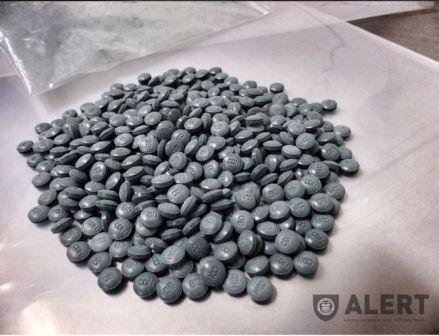 ਐਡਮਿੰਟਨ(ਰਘਵੀਰ ਬਲਾਸਪੁਰੀ)ਐਡਮਿੰਟਨ ਦੇ ਨਾਲ 25 ਲਿੋਮੀਟਰ ਦੂਰ ਵੱਸਦੇ ਸਹਿਰ ਬਿਊਮਾਊਟ ਦਾ ਇਕ ਪਤੀ ਪਤਨੀ ਇਸ ਸਮੇ ਭਾਰੀ ਮਾਤਰਾ ਵਿਚ ਨਸੀਲੀਆ ਗੋਲੀਆਂ ਫੈਟਾਨਲ ਸਮੇਤ ਆਰ.ਸੀ.ਐਮ.ਪੀ ਨੇ ਕਾਬੂ ਕੀਤਾ ਹੈ।ਆਰ.ਸੀ.ਐਮ.ਪੀ ਨੇ ਅਜੇ ਇਸ ਦਾ ਖੁਲਾਸਾ ਨਹੀ ਕੀਤਾ ਕਿ ਇਹ ਕਿੰਨੀ ਮਾਤਰਾ ਵਿਚ ਗੋਲੀਆਂ ਫੜੀਆਂ ਗਈਆ ਹਨ।ਕਿਉਕਿ ਉਹਨਾ ਨੂੰ ਅਜੇ ਹੋਰ ਸਬੂਤਾ ਦੀ ਜਰੂਰਤ ਹੈ।ਇਸ ਜੈਕਰੀ ਜੈਰੋਮੀ ਲੈਗਾਊਟ ਤੇ ਸਿਮਰਜੀਤ ਜੈਰੋਮੀ ਲੈਗਾਊਟ ਨਾਮ ਦੇ ਜੋੜੇ ਤੇ ਘਰੋ ਇਹ ਨਸੀਲੀਆਂ ਗੋਲੀਆਂ ਮਿਲੀਆਂ ਹਨਉਹਨਾ ਨੂੰ ਇਹਨਾਂ ਦੀ ਸਮਹਲਿੰਗ ਦੋਸਾਂ ਅਧੀਨ ਕਾਬੂ ਕੀਤਾ ਹੈ।ਯਾਦ ਰਹੇ ਇਹ ਫੈਟਾਨਲ ਨਾਮ ਦੀਆਂ ਗੋਲੀਆਂ ਦੀ ਵੱਧ ਵਰਤੋ ਨਾਲ ਐਡਮਿੰਟਨ ਵਿਚ ਪਿਛਲੇ 6 ਮਹੀਨਿਆਂ ਵਿਚ ਤਕਰੀਬਨ 153 ਲੋਕਾਂ ਦੀ ਮੌਤ ਹੋ ਗਈ ਹੈ।ਇਸ 2 ਮਿਲੀਗ੍ਰਾਮ ਦੀ ਗੋਲੀ ਵੀ ਲੋਕਾਂ ਲਈ ਖਤਰਨਾਕ ਸਾਬਿਤ ਹੋਈ ਹੈ।
ਕੈਪਟਨ ਅਮਰਿੰਦਰ ਨੇ ਐਨ.ਡੀ.ਟੀ.ਵੀ ‘ਤੇ ਰੋਕ ਨੂੰ ਲੋਕਤੰਤਰ ਦਾ ਕਤਲ ਦੱਸਦਿਆਂ ਕੀਤੀ ਨਿੰਦਾ
 ਚੰਡੀਗਡ਼੍ਹ : ਮੋਦੀ ਸਰਕਾਰ ਦੀ ਐਨ.ਡੀ.ਟੀ.ਵੀ ਉਪਰ ਤਾਨਾਸ਼ਾਹੀ ਇਕ ਦਿਨ ਦੀ ਰੋਕ ਉਪਰ ਹਮਲਾ ਬੋਲਦਿਆਂ ਪੰਜਾਬ ਕਾਂਗਰਸ ਪ੍ਰਧਾਨ ਕੈਪਟਨ ਅਮਰਿੰਦਰ ਸਿੰਘ ਨੇ ਐਲਾਨ ਕੀਤਾ ਹੈ ਕਿ ਜੇ ਪ੍ਰਧਾਨ ਮੰਤਰੀ ਇਸ ਰੋਕ ਦੇ ਆਦੇਸ਼ ਨੂੰ ਵਾਪਿਸ ਨਹੀਂ ਲੈਂਦੇ ਹਨ, ਤਾਂ 9 ਨਵੰਬਰ ਨੂੰ ਟੀ.ਵੀ ਚੈਨਲ ਦੇ ਬੰਦ ਰਹਿਣ ਦੌਰਾਨ ਦਿਨ ਭਰ ਰੋਸ ਪ੍ਰਗਟਾਇਆ ਜਾਵੇਗਾ।
ਪੱਤਰਕਾਰਾਂ ਨੂੰ ਸੰਬੋਧਨ ਕਰਦਿਆਂ ਕੈਪਟਨ ਅਮਰਿੰਦਰ ਨੇ ਕਿਹਾ ਕਿ ਜੇ ਇਨ੍ਹਾਂ ਤਾਨਾਸ਼ਾਹੀ ਆਦੇਸ਼ਾਂ ਨੂੰ ਵਾਪਿਸ ਨਾ ਲਿਆ ਗਿਆ, ਤਾਂ ਉਨ੍ਹਾਂ ਦੀ ਪਾਰਟੀ ਭਾਰਤ ਦੇ ਲੋਕਤੰਤਰ ‘ਚ ਇਸ ਕਾਲੇ ਦਿਨ ਖਿਲਾਫ ਚੰਡੀਗਡ਼੍ਹ ਵਿਖੇ ਰਾਜਪਾਲ ਪੰਜਾਬ ਦੇ ਨਿਵਾਸ ਮੁਹਰੇ ਧਰਨਾ ਲਗਾਏਗੀ। ਉਨ੍ਹਾਂ ਨੇ ਉਮੀਦ ਪ੍ਰਗਟਾਈ ਹੈ ਕਿ ਪ੍ਰਧਾਨ ਮੰਤਰੀ ਨਰਿੰਦਰ ਮੋਦੀ ਨੂੰ ਸਹੀ ਸਮਝ ਆਏਗੀ ਅਤੇ ਉਹ ਪੁਖਤਾ ਕਰਨਗੇ ਕਿ ਸੂਚਨਾ ਤੇ ਪ੍ਰਸਾਰਨ ਮੰਤਰਾਲੇ ਵੱਲੋਂ ਦਿੱਤੇ ਗਏ ਇਹ ਨਿੰਦਣਯੋਗ ਆਦੇਸ਼ ਵਾਪਿਸ ਲੈ ਲਏ ਜਾਣ।
ਕੈਪਟਨ ਅਮਰਿੰਦਰ ਨੇ ਪੰਜਾਬ ‘ਚ ਅਕਾਲੀ ਸ਼ਾਸਨ ਵੱਲੋਂ ਮੀਡੀਆ ‘ਤੇ ਰੋਕ ਲਗਾਏ ਜਾਣ ਲਈ ਅਜਿਹੇ ਤਰੀਕੇ ਵਰਤੇ ਜਾਣ ਦਾ ਦੋਸ਼ ਲਗਾਉਂਦਿਆਂ ਕਿਹਾ ਕਿ ਕਾਂਗਰਸ ਦੀ ਸਰਕਾਰ ਆਉਣ ‘ਤੇ ਉਹ ਤੁਰੰਤ ਮੀਡੀਆ ਨੂੰ ਬਾਦਲ ਤੇ ਉਨ੍ਹਾਂ ਦੇ ਸਾਥੀਆਂ ਦੇ ਕੰਟਰੋਲ ‘ਚੋਂ ਬਾਹਰ ਕੱਢਣਗੇ ਅਤੇ ਸਾਰੀਆਂ ਮੀਡੀਆ ਸੰਸਥਾਵਾਂ ਨੂੰ ਪ੍ਰੋਫੈਸ਼ਨਲ ਵਾਤਾਵਾਰਨ ‘ਚ ਤਰੱਕੀ ਕਰਨ ਲਈ ਬਰਾਬਰ ਦੇ ਮੌਕੇ ਦਿੱਤੇ ਜਾਣਗੇ।
ਕੈਪਟਨ ਅਮਰਿੰਦਰ ਨੇ ਦੇਸ਼ ਭਰ ਦੇ ਮੀਡੀਆ ਨੂੰ ਐਨ.ਡੀ.ਟੀ.ਵੀ ਦਾ ਸਮਰਥਨ ਪ੍ਰਗਟਾਉਣ ਤੇ ਕੇਂਦਰ ਸਰਕਾਰ ਦੇ ਦਮਨਕਾਰੀ ਆਦੇਸ਼ਾਂ ਖਿਲਾਫ ਸਡ਼ਕਾਂ ‘ਤੇ ਉਤਰਨ ਲਈ ਕਿਹਾ।
ਪ੍ਰਦੇਸ਼ ਕਾਂਗਰਸ ਪ੍ਰਧਾਨ ਨੇ ਕੇਂਦਰ ਸਰਕਾਰ ਦੇ ਇਸ ਕਦਮ ਨੂੰ ਸੁਤੰਤਰ ਭਾਰਤ ‘ਚ ਮੀਡੀਆ ਦੀ ਅਜ਼ਾਦ ਅਵਾਜ਼ ਨੂੰ ਦਬਾਉਂਦਿਆਂ ਇਸਦੇ ਲੋਕਤਾਂਤਰਿਕ ਢਾਂਚੇ ਨੂੰ ਨੁਕਸਾਨ ਪਹੁੰਚਾਉਣ ਦੀ ਕੋਸ਼ਿਸ਼ ਕਰਾਰ ਦਿੱਤਾ। ਉਨ੍ਹਾਂ ਨੇ ਜ਼ੋਰ ਦਿੰਦਿਆਂ ਕਿਹਾ ਕਿ ਦੇਸ਼ ਲੋਕਤੰਤਰ ਦੇ ਸਰ੍ਹੇਆਮ ਕੀਤੇ ਜਾ ਰਹੇ ਕਤਲ ਤੇ ਬੋਲਣ ਦੀ ਅਜ਼ਾਦੀ ਉਪਰ ਮੋਦੀ ਸਰਕਾਰ ਦੇ ਹਮਲੇ ਨੂੰ ਚੁੱਪਚਾਪ ਨਹੀਂ ਦੇਖ ਸਕਦਾ।
ਇਸ ਦੌਰਾਨ ਰੋਕ ਉਪਰ ਭਾਜਪਾ ਦੇ ਪੱਖ ਕਿ ਦੇਸ਼ ਦੀ ਸੁਰੱਖਿਆ ਦੇ ਹਿੱਤ ‘ਚ ਇਹ ਜ਼ਰੂਰੀ ਸੀ, ‘ਤੇ ਪ੍ਰਤੀਕ੍ਰਿਆ ਜਾਹਿਰ ਕਰਦਿਆਂ ਕੈਪਟਨ ਅਮਰਿੰਦਰ ਨੇ ਮੋਦੀ ਸਰਕਾਰ ਵੱਲੋਂ ਕੌਮੀ ਸੁਰੱਖਿਆ ਨੂੰ ਦਿੱਤੀ ਗਈ ਨਵੀਂ ਪਰਿਭਾਸ਼ਾ ਉਪਰ ਸਵਾਲ ਕੀਤੇ। ਉਨ੍ਹਾਂ ਨੇ ਪ੍ਰਧਾਨ ਮੰਤਰੀ ਨਰਿੰਦਰ ਮੋਦੀ ਤੋਂ ਜਾਣਨਾ ਚਾਹਿਆ ਹੈ ਕਿ ਕੀ ਉਹ ਮੀਡੀਆ ਦੇ ਰਾਸ਼ਟਰਵਾਦ ਤੇ ਦੇਸ਼ ਭਗਤੀ ਉਪਰ ਸਵਾਲ ਖਡ਼੍ਹੇ ਕਰ ਰਹੇ ਹਨ? ਇਸ ਲਡ਼ੀ ਹੇਠ ਜਦੋਂ ਮੋਦੀ ਸਰਕਾਰ ਨੇ ਖੁਦ ਆਈ.ਐਸ.ਆਈ ਦੀ ਟੀਮ ਨੂੰ ਪਠਾਨਕੋਟ ਏਅਰ ਫੋਰਸ ਸਟੇਸ਼ਨ ਉਪਰ ਹਮਲੇ ਤੋਂ ਬਾਅਦ ਉਥੇ ਬੁਲਾਇਆ ਸੀ, ਤਾਂ ਇਕ ਭਾਰਤੀ ਟੀ.ਵੀ ਚੈਨਲ ਵੱਲੋਂ ਇਸਦੀ ਕਵਰੇਜ ਕਿਵੇਂ ਦੇਸ਼ ਵਿਰੋਧੀ ਹੋ ਸਕਦੀ ਹੈ?
ਕੈਪਟਨ ਅਮਰਿੰਦਰ ਨੇ ਜ਼ੋਰ ਦਿੰਦਿਆਂ ਕਿਹਾ ਕਿ ਹਰੇਕ ਵਿਅਕਤੀ, ਖਾਸ ਕਰਕੇ ਜਿਹਡ਼ਾ ਅਥਾਰਿਟੀ ‘ਚ ਹੈ, ਉਹ ਲੋਕਤੰਤਰ ‘ਚ ਜ਼ਿੰਮੇਵਾਰ ਹੈ ਅਤੇ ਮੀਡੀਆ ਕੋਲ ਸਵਾਲ ਕਰਨ ਦਾ ਅਧਿਕਾਰ ਹੈ ਅਤੇ ਪਠਾਨਕੋਟ ਹਮਲੇ ਮਾਮਲੇ ‘ਚ ਐਨ.ਡੀ.ਟੀ.ਵੀ ਨੇ ਇਹੋ ਕੀਤਾ ਸੀ।
ਕੈਪਟਨ ਅਮਰਿੰਦਰ ਨੇ ਕਿਹਾ ਕਿ ਮੀਡੀਆ ਦੀ ਅਜ਼ਾਦੀ ‘ਤੇ ਸੱਤਾਵਾਦੀ ਹਮਲਾ ਮੋਦੀ ਸਰਕਾਰ ਦੇ ਤਾਨਾਸ਼ਾਹੀ ਰਵੱਈਏ ਤੇ ਸੰਵਿਧਾਨ ‘ਚ ਲੋਕਾਂ ਦੇ ਅਧਿਕਾਰਾਂ ਪ੍ਰਤੀ ਇਸਦੀ ਬੇਕਦਰੀ ਨੂੰ ਦਰਸਾਉਂਦਾ ਹੈ। ਜਿਨ੍ਹਾਂ ਨੇ ਐਨ.ਡੀ.ਏ ਸਰਕਾਰ ਦੇ ਦੇਸ਼ ਤੇ ਲੋਕਤਾਂਤਰਿਕ ਢਾਂਚੇ ਤਬਾਹ ਕਰਨ ਲਈ ਸਾਜਿਸ਼ ਰੱਚਣ ਦਾ ਦੋਸ਼ ਲਗਾਇਆ ਹੈ।
ਪ੍ਰਦੇਸ਼ ਕਾਂਗਰਸ ਪ੍ਰਧਾਨ ਨੇ ਐਨ.ਡੀ.ਟੀ.ਵੀ ‘ਤੇ ਬੈਨ ਦੇ ਆਦੇਸ਼ਾਂ ਨੂੰ ਦੇਸ਼ ਦੇ ਲੋਕਤਾਂਤਰਿਕ ਢਾਂਚੇ ਨੂੰ ਤੋਡ਼ਨ ਦੀ ਕੋਸ਼ਿਸ਼ ਕਰਾਰ ਦਿੰਦਿਆਂ ਦੋਸ਼ ਲਗਾਇਆ ਕਿ ਪ੍ਰਧਾਨ ਮੰਤਰੀ ਦੇਸ਼ ‘ਚ ਬੋਲਣ ਤੇ ਆਪਣੇ ਵਿਚਾਰ ਰੱਖਣ ਦੀ ਅਜ਼ਾਦੀ ਵਿਰੁੱਧ ਵਾਤਾਵਰਨ ਨੂੰ ਵਾਧਾ ਦੇ ਰਹੇ ਹਨ।
ਕੈਪਟਨ ਅਮਰਿੰਦਰ ਨੇ ਕਿਹਾ ਕਿ ਮੋਦੀ ਦੀ ਅਗਵਾਈ ਵਾਲੀ ਭਾਰਤੀ ਜਨਤਾ ਪਾਰਟੀ ਤੇ ਪੰਜਾਬ ‘ਚ ਸ੍ਰੋਮਣੀ ਅਕਾਲੀ ਦਲ ਸਮੇਤ ਉਸਦੇ ਹੋਰ ਗਠਜੋਡ਼ ਸਾਂਝੇਦਾਰਾਂ ਨੇ ਕੌਮੀ ਤੇ ਸੂਬਾਈ ਪੱਧਰ ‘ਤੇ ਮੀਡੀਆ ਨੂੰ ਕੰਟਰੋਲ ਕਰਨ ਦੀ ਮੁਹਿੰਮ ਛੇਡ਼ ਰੱਖੀ ਹੈ। ਇਸ ਲਡ਼ੀ ਹੇਠ ਸੱਤਾਧਾਰੀ ਗਠਜੋਡ਼ ਦੀ ਮੀਡੀਆ ਵਿਰੋਧੀ ਸੋਚ ਦਾ ਸਬੂਤ ਬਾਦਲ ਸ਼ਾਸਨ ‘ਚ ਕੇਬਲ ਮਾਫੀਆ ਦੀ ਉਦਾਹਰਨ ਹੈ।
ਕੈਪਟਨ ਅਮਰਿੰਦਰ ਨੇ ਕਿਹਾ ਕਿ ਅਸਲਿਅਤ ‘ਚ ਮੋਦੀ ਸਰਕਾਰ ਦੀਆਂ ਅਰਾਜਕ ਤੇ ਨਿਰੰਕੁਸ਼ ਨੀਤੀਆਂ ਨਾ ਸਿਰਫ ਮੀਡੀਆ ਦੇ ਸਬੰਧ ‘ਚ ਹਨ, ਬਲਕਿ ਇਸਦੀ ਕਾਰਜਪ੍ਰਣਾਲੀ ‘ਚ ਵੀ ਸਾਫ ਨਜ਼ਰ ਆਉਂਦੀਆਂ ਹਨ। ਉਨ੍ਹਾਂ ਨੇ ਸਾਬਕਾ ਫੌਜ਼ੀ ਵੱਲੋਂ ਖੁਦਕੁਸ਼ੀ ਮਾਮਲੇ ‘ਚ ਏ.ਆਈ.ਸੀ.ਸੀ ਮੀਤ ਪ੍ਰਧਾਨ ਰਾਹੁਲ ਗਾਂਧੀ ਨੂੰ ਹਿਰਾਸਤ ‘ਚ ਲਏ ਜਾਣ ਨੂੰ ਮੋਦੀ ਸਰਕਾਰ ਦੀ ਦੇਸ਼ ‘ਚ ਲੋਕਤਾਂਤਰਿਕ ਤੇ ਬਰਾਬਰੀ ਦੇ ਸਿਸਟਮ ਨੂੰ ਖਤਮ ਕਰਨ ਦੀ ਸਾਜਿਸ਼ ਦਾ ਹਿੱਸਾ ਕਰਾਰ ਦਿੱਤਾ ਹੈ।
Thailand’s late king also artist, jazz musician, inventor
 BANGKOK (AP) – Aside from his kingly duties – and they were immense – Thailand’s late King Bhumibol Adulyadej took time during his 70-year reign to compose music (and jam with some of the world’s jazz legends), build sailing craft (and win an international yachting race), paint surrealistic oils and have some 20 patents registered for an assortment of inventions.
Here’s a look at the many pursuits of Bhumibol, who died last week at the age of 88:
MUSICIAN
“He is simply the coolest king in the land,” declared American jazz great Lionel Hampton of Bhumibol’s talent on the saxophone. He also played clarinet, trumpet and the piano, often with his own palace band, and one of the highlights of a 1960 visit to New York was a two-hour jam session with Benny Goodman.
Largely self-taught, he is credited with nearly 50 compositions, including a three-movement ballet previewed in Vienna and songs that are still frequently heard in Thailand, including “Falling Rain” and “Candlelight Blues.” Six of his songs were included in a 1950 Broadway musical, “Peepshow,” with one, “Blue Night,” described by one critic as a “sensuous beguine.”
INVENTOR
Having tinkered since childhood and studied some science and engineering in Switzerland, the king came up with inventions throughout much of his reign, with 20 patents and 19 trademarks registered under his name and some garnering international awards. Most were related to rural development, although he also configured a new gun mount on helicopters and offered ideas on how to prevent the M-16, the standard U.S. assault rifle in the Vietnam War, from jamming.
Pondering how to prevent annual flooding in Bangkok, he recalled from childhood pet monkeys munching on bananas, then retaining the food in their cheeks to later swallow. The king’s “monkey cheeks” initiative featured reservoirs on the peripheries of Bangkok into which onrushing water was diverted and later flushed into the sea or used for irrigation.
His inventions included a biofuel from palm oil and the low-cost Chaipattana aerator, which resembles a paddle wheel on old steamers and can be inserted into rivers, canals and marshes to counter water pollution. The aerators can be seen across Thailand, including at the royal residence in Bangkok.
A 2005 European patent, number 1491088, describes a technique for seeding clouds to induce rain over drought-stricken areas. Dubbed the “super sandwich,” pilots disperse environmentally friendly chemicals to form cool and warm clouds at different altitudes.
ARTIST, AUTHOR, SAILOR
Bhumibol was 8 when he got hold of his first camera – a Coronet Midget given by his mother – and rarely was one out of reach through most of his life, capturing both domestic scenes and documenting his efforts to improve rural lives.
The king’s more than 60 sculptures and paintings range from traditionally realistic to expressionistic and abstract. Some are starkly contemporary.
“This is called ‘Subversion’ – there is greed, anger and evil. I painted it with a knitting needle,” he said of one.
The king also penned several books, including one about a beloved stray dog that he had adopted.
A keen sportsman until hobbled by illnesses over the past decade, he teamed up with one of his daughters to win a yachting gold medal in the 1967 Southeast Asian Peninsular Games. A year later, he challenged another royal sailor, Britain’s visiting Prince Philip, to a race.
A child’s scraped knee turns scary in crisis-hit Venezuela
 CARACAS, Venezuela (AP) – It was just a scraped knee. So 3-year-old Ashley Pacheco’s parents did what parents do: They gave her a hug, cleaned the wound twice with rubbing alcohol and thought no more of it.
Two weeks later, the little girl writhed screaming in a hospital bed. Her breathing came in ragged gasps as she begged passing patients for a sip of water.
Her mother stayed day and night in the trauma unit. She kept Ashley on an empty stomach in case she might cut in front of hundreds of other patients for emergency surgery in one of the hospital’s few functioning operating rooms.
Her father scoured Caracas for scarce antibiotics to fight the infection spreading through his daughter’s body.
They had no idea how much worse it was going to get.
If Venezuela has become dangerous for the healthy, it is now deadly for those who fall ill.
One in three people admitted to public hospitals last year died, the government reports. The number of operational hospital beds has fallen by 40 percent since just 2014. And as the economy fails, the country is running short on 85 percent of medicines, according to the national drugstore trade group.
“I really don’t know of any other country where things have deteriorated so quickly, to such an incredible extent,” said Rafael Perez-Escamilla, a Yale University School of Public Health professor who has worked in Latin America and Africa. “Venezuela’s health system was a model for Latin America. Now you are seeing an implosion where people cannot get basic care.”
With so little room for error, the tiniest slips, like a little girl’s tumble while chasing her brother, can lead to life-or-death crises.
Ashley’s parents had been determined to shield her from the chaos engulfing their country. As the public school system collapsed , they sent her to a private Catholic preschool. As food grew harder to find, they made sure she had protein at every meal. When water began coming out of the taps with a foul smell, they boiled it before her daily bath.
But a week after her fall in mid-July, Ashley started to run a fever.
At the local clinic, doctors said she would soon be on the mend. Yet the fever kept rising, and her knee was swelling. So Maykol and Oriana Pacheco loaded her between them on their motorcycle and took off, determined to find a hospital that would take their case more seriously.
They went first to the public children’s hospital nearest their home, which had been hit with a wave of poisoning cases. As shortages worsen, parents are giving their kids homemade medicines and food such as bitter yuca that can be toxic if not prepared correctly. With few supplies, doctors can do little but ease some of these children into death as painlessly as possible. They didn’t have medicine for Ashley.
Next, the family tried the country’s main pediatric hospital.
There, the smell of religious incense hung thick in rooms of children with milky eyes and swollen heads. Doctors were waiting for parents to bring in shunts to drain the extra fluid from their children’s brains. There were no beds for Ashley.
As their little girl grew warmer between them, Maykol and Oriana went to the city’s largest hospital. Men were lying mostly naked on the floor in the emergency room, IV lines snaking down from poles above them. There was no room for a sick 3-year-old.
By the next morning, Ashley’s temperature had spiked to 103 degrees (39.4 degrees Celsius). Maykol was growing desperate. Out of options, he turned his motorcycle toward University Hospital, once one of the best hospitals in South America but lately better known for gang shootings in the operating rooms and stickups in the stairways.
They arrived around noon on a Saturday. Ashley’s left leg had swollen from the tip of her toe to the top of her thigh.
All at once, she was whisked into emergency care.
Venezuela used to be Latin America’s richest country, but it is now falling apart as a plunge in the price of oil caps off years of economic mismanagement. Local production of almost everything has stalled, and there is little money to import medicine.
The left-wing administration of President Nicolas Maduro calls the medical crisis an invention peddled by opponents of the country’s 17-year-old socialist revolution. The week Ashley was hospitalized, Maduro went on television and called on Venezuelans to start growing medicinal herbs.
The government has refused to let in humanitarian aid. So donations of medical supplies sit in warehouses and shipping containers in countries including the U.S., Spain and Panama.
In Ashley’s hospital, the janitorial staff had run out of bleach to clean the floors. Stray dogs wandered the building, and cockroaches scuttled by on the walls. The water in the bathroom sometimes came out black.
And in her emergency care room, the sink was broken, the soap dispenser was empty and there was nothing in the container marked “sterile gloves.” Yet with the hospital so crowded that women in labor were sharing beds, her parents felt lucky she had been admitted at all.
Doctors diagnosed her with a staph infection. Bacteria had entered the tissue near her knee, and were burrowing into her joint.
They set up an IV drip and poured in the last of the hospital’s supply of vancomycin, a widely used antibiotic. Dazed, her father watched the green line on her heart monitor loop up and down.
Maykol’s own father had walked out when he was 12, and he’d had dreams of a big, stable family. He tattooed the names of his children on his arms, and stopped home every afternoon to have lunch with them.
With the arrival of a third baby this summer, Maykol had quit his job as a sound technician and started driving a taxi to make more money. They had 80,000 bolivars saved – about three month’s wages. What would happen to that cushion now, he wondered?
As night fell, Ashley got dramatically worse. The green heart monitor line began to zigzag wildly. Her breathing sounded strange, like hoarse hiccups. And Maykol noticed with a start that her chest was moving the wrong way with each inhalation, collapsing inward instead of puffing outward.
Doctors suspected bacteria had traveled from her knee to her lung and eaten a hole there. But the hospital’s last X-ray machine had given out the month before. The only way to know for sure was to risk transporting Ashley to a private clinic, where the test would cost the family a week’s wages.
Two doctors went with them in an ambulance, ready to pump air manually into Ashley’s lungs if she went into respiratory arrest.
The X-ray confirmed their fears: Ashley’s right lung had collapsed like a balloon. With each breath she took, air was leaking into her chest, putting pressure on her heart.
Back at the hospital, Ashley sounded like she was drowning. Her breath came in irregular gasps. Doctors looked for the apparatus that could save her: a Pleur-evac chest drainage machine that sells for $100 in the U.S. The hospital had a few, but they were locked away. Like all hospitals here, University Hospital has been pillaged, even by staff, as supplies become rare and valuable contraband.
The emergency room doctors made do with a trick from battlefield medicine instead.
As night fell, they gathered around the crying girl and slid a large needle into her chest. Air came whooshing out. Normally, medics would then insert a one-way valve, but there was none to be found. Still, little by little, Ashley’s hiccupping breaths grew less frantic.
Doctors then called her parents out into the hall. The hospital’s supply of the intravenous antibiotic was nearly gone. And without a chest drainage machine, Ashley wouldn’t live to see the next evening.
When they heard the news, Maykol and Oriana hugged each other and cried.
Then, in the hospital waiting room, they assembled a search team. They pulled in siblings, grandparents, aunts and cousins. Everyone was on their phones, calling people who might know where to find medical supplies on a Saturday night.
Oriana’s sister went to hospital after hospital, tearfully begging administrators to donate their machines. Some accused her of looking to resell medical equipment. No one was willing to help.
After midnight, a friend of Maykol’s aunt found a doctor at a private clinic who agreed to donate a Pleur-evac. Oriana’s sister headed to the clinic through empty streets at 1:30 in the morning, long past the crime-ridden city’s unofficial curfew.
Coming onto his shift Sunday, pediatric resident Richard Rangel approached his new patient with dread.
He was thinking of quitting medicine. In the spring, a father had drawn a gun on him, frustrated that the hospital didn’t have even acetaminophen or ibuprofen for his 8-year-old son. A thug had robbed him at knife-point in the hospital stairwell. And he had watched five children die of sepsis within a week because there was no way to treat them.
Sprouting tubes and wires, Ashley looked like another desperate case. Her leg had swollen to the diameter of a dinner plate and taken on an ugly purple tone.
Rangel told her parents that if they could not stop the infection, surgeons would have to amputate.
So her father joined the thousands of Venezuelans racing against personal clocks to save loved ones. He stood in hours-long lines outside pharmacies just to ask if they had what Rangel needed: saline solution, blood thinners, electrolyte solution, diapers, IV bags, rubbing alcohol, sheets, bottled water. He couldn’t find soap, so he bought shampoo instead.
The antibiotic vancomycin was the hardest to find. Doctors wrote out prescriptions on the back of bank statements and hospital bills because they had no paper.
The first requests were formal and typed, thanking the recipient for their help. Later, they were quickly scribbled. One, scrawled on the corner of an employment contract, simply stated Ashley’s name and then, “3 years, vancomycin.”
Maykol heard that a public hospital across town might have a supply. When he arrived, the pediatric unit had flooded. He waded through shin-high water to ask the pharmacist. No luck.
In wet jeans, he rode to another hospital. Again, the pharmacist told him no. But as he was leaving, a man in a white coat pulled him aside and produced three vials from his pocket. Maykol wrapped them in the prescription and took off for University Hospital, worried police might stop him, accuse him of trafficking and take the precious medicine away.
As he combed the city’s pharmacies, Oriana sat silently in a plastic lawn chair beside Ashley’s bed, her face swollen from crying. Her daughter’s leg was growing hotter, the skin turning dark and shiny. She knew that once a limb turns black, it’s lost.
In addition to medicine, Ashley now required surgery to drain her infected knee. Only two of the hospital’s 27 operating rooms were fully functional, and 150 children were waiting for a spot.
Ashley needed an empty stomach for the operation. For two days she kept pleading for food and water. By Tuesday morning, she was begging to drink from the pouch of saline solution dripping into her arm.
In the meantime, a 4-year-old boy weighing just 13 pounds came into the emergency room. Children’s rights groups estimate 30 percent of Venezuelan kids are suffering from malnutrition. His family could not find rehydration solution, and the boy died 12 hours later.
Maykol was out on his motorcycle when he got the call that Ashley had been booked for surgery. He began speeding down the highway and crashed into another biker, falling and bruising his shin. Bleeding, he continued to the hospital.
Doctors said the bacteria had damaged the membrane that lubricates Ashley’s knee, and could have affected the growth plate. She might walk with a limp, and one leg might grow to be shorter than the other. But if the operation went well, she could still be a mostly healthy little girl.
As she was wheeled to the operating room Tuesday night, Ashley asked her father for a hamburger. Full of hope, he promised her they would go to McDonald’s as soon as she was released.
A whiteboard on the wall above the operating table listed the supplies missing that day: endoscopy tubes, gauze, gloves, masks and surgical robes.
Two surgical residents sterilized a used needle and injected Ashley with anesthetic. It took them half an hour to clean and drain her knee. They had become experts in the procedure over the summer, as more children come in with complications from simple injuries. The only thing unique about Ashley was how well-fed she seemed; healthy enough to fight to save.
The family celebrated a week later as Ashley was able to breathe without her oxygen mask. Her fever was running below 100 degrees (37.8 degrees Celsius). With any luck, she would soon be back to dancing on her bed to music videos.
But the next day, the fever was inexplicably worse again, 102 degrees. By the end of the week, she was quaking under her Dora the Explorer sheets, drenched in sweat, with a fever of 106 (41 Celsius).
And Oriana noticed something new: red spots spreading across her still-swollen skin.
Rangel felt a wave of disappointment as he recognized the telltale sign of a heart infection. There hadn’t been enough antibiotics to stop the staph from quietly spreading all this time. Disgusted, Rangel thought of the two months he’d spent working with an aid group in Sierra Leone, where at least he’d had basic supplies.
A heart infection is such a rare complication in a healthy child that no one had thought to warn Ashley’s family about it. Maykol took the news stoically. But he was devastated. He’d done all he could to protect his child, and now, just as she seemed out of danger, the doctors said she was sicker than ever.
Rangel said she would need more vancomycin – three doses daily for three weeks, without fail – to stop the infection before it ruined her heart or spread to her brain.
Maykol stopped going to his job as a taxi driver. Oriana spent each night curled around Ashley in a room with eight other patients. Relatives looked after her siblings.
The two maxed out their credit cards and borrowed as much money as they could from family. They were eating just one meal a day, and had sold their fridge, television, Oriana’s cellphone and the children’s PlayStation.
One day, Maykol rode to a depot near Caracas where the government provides free medicine. The line outside was four hours long. As darkness fell, a pharmacist gave him 15 vials of vancomycin; almost enough for the week.
The next time he went to the depot, there were no antibiotics in stock. He thought of going to the black market in the city’s largest slum, but Oriana worried the pills would be fakes.
A half dozen resellers had set up shop directly outside the hospital, displaying goods at more than 50 times the regulated prices. Asked if she also sold antibiotics, one reseller eyed the soldiers stationed a few feet away and shook her head.
“If a person can’t find it at the pharmacy, they’ll just have to die,” she said.
Rangel convinced the mother of a departing patient to donate her supply of vancomycin, and got a few more vials from a patient in intensive care. He found the medicine on Amazon.com for $70, but with the country’s foreign exchange controls, neither he nor the family could afford it.
Six other children died in August on the pediatric surgery ward due to the lack of proper antibiotics. To Maykol, crisscrossing the city, it felt like there was no medicine at all to be found.
Finally, in mid-August, nearly a month after she was hospitalized, Ashley’s fever subsided. She giggled during an echocardiogram when the technician let her hear the rhythm of her heart. But Oriana watched, worried, as the technician went back again and again to look at the same spot from different angles. That couldn’t be good.
The bacteria had receded, but Ashley’s heart was scarred. And as she grew, her tricuspid valve would likely begin to leak. Eventually, this could lead to congestive heart failure, and she would need to get the valve replaced. Exhausted, her mother filed that information away to think over later.
With few laboratory supplies available in the hospital, Maykol took vials of Ashley’s blood all around the city looking for clinics to do basic tests. Worried about hospital-acquired infections, he wanted to get her home as soon as possible.
Oriana heard that a boy in the next room was brain dead after he came down with a fungal infection in his lungs. This summer, 40 percent of general medicine patients came down with hospital-acquired infections, according to Gherzon Casanova, president of the hospital’s resident and physician organization.
One afternoon, Ashley surprised her father.
“Come on, papi, let’s walk,” she said.
Maykol found her barely used pink slip-ons. He held her hands like he had when she was a baby, and she started moving toward the balcony, humming in concentration, dragging her left leg behind her in small steps. The whole room was watching.
“There you go,” he said. “You just keep moving forward.”
Ashley stood unsteadily on the balcony and pumped her arms in the air in victory.
The day before Ashley was to be released, Oriana left the 9th floor for the first time in two weeks. Her skin was yellowish and she’d lost so much weight that she had to pull up her leggings with every few steps.
Doctors would not discharge Ashley until she had an ultrasound test of her leg. So Oriana went to try to find an appointment at the one public hospital that still had a functioning machine.
When she reached the front of the line, the clerk told her the first slot was in November, two months away. Oriana’s shoulders slumped. “This is madness,” she said under her breath.
After Oriana returned, a new doctor came in to talk to the family. She had more bad news: Ashley had a fungal infection in her lungs. She needed a medicine that was no longer possible to find in Venezuela. She would have to stay hospitalized as doctors looked for a workaround.
For the first time since Ashley was admitted, her father lost his temper.
“What do you mean she needs a medicine we can’t find here?” he said. “At least tell me the name, so I can look for it. Don’t just say we need it and it doesn’t exist.”
After the doctor left, Ashley’s parents leaned into each other across the hospital bed, their foreheads almost touching. Their daughter sobbed between them.
Maykol spent the next days researching international foundations and ways to import the non-existent medicine. Maybe he could have a prescription filled in Miami. It would all cost more than he could earn in a month.
In the end, help came from the next room over. The mother of the boy with the lung infection donated his medicine to Ashley.
Her son was dead.
In late September, two months after she was first admitted, Rangel declared Ashley infection-free.
Oriana sold the medication the family had left over to other mothers on the floor. She used some of the money to get Ashley’s ultrasound done in a private clinic, and put the rest away for her future treatment.
“We have nothing left,” she said. “I could have sold the medicine for four times as much as I did, it’s so precious.”
There was something else to save for, too. After years of putting it off, Maykol and Oriana were planning to have Ashley baptized. It would be a celebration of her recovery – and a safeguard in case she fell ill again.
When she was discharged, Ashley limped down the hallway clutching a balloon and a child-sized motorcycle helmet for the trip home. Residents and nurses shouted after the departing family.
They called out not “goodbye,” but “good luck.”
Things to know about GMO mosquito test proposed in Florida
 MIAMI (AP) – The spread of the Zika virus in Latin America is giving a boost to a British biotech firm’s proposal to deploy a genetically modified mosquito to try to stop transmission of the disease.
Oxitec has genetically modified the Aedes aegypti mosquito, which also transmits dengue and chikungunya, so the males produce offspring that do not live.
But until now, its proposal to test the mosquito in the Florida Keys has languished at the Food and Drug Administration while the company conducted similar field trials outside the United States.
“The data seems to be promising in terms of reducing the mosquito populations in those small field trials, but we need to go through our process, and we are greatly expediting the process,” FDA Assistant Commissioner Dr. Luciana Borio said earlier this month at a House Energy and Commerce subcommittee hearing on Zika preparedness.
Here are some things to know about genetically modified mosquitoes.
HOW ARE THEY MODIFIED?
Oxitec modifies Aedes aegypti mosquitoes with synthetic DNA to produce offspring that won’t survive outside a lab. Modified females are manually separated in the lab from the modified males, which do not bite and are released to mate with wild female mosquitoes.
DOES IT WORK?
Oxitec says it has completed successful tests in Panama and the Cayman Islands, along with a test as part of a dengue-fighting program in Piracicaba, Brazil. The city’s health department has confirmed Oxitec’s results: a reduction in the wild Aedes larvae population in the targeted neighborhood by over 80 percent.
Some experts have questioned whether the use of genetically modified mosquitoes is feasible on a countrywide scale or is efficient for controlling mosquito populations and the spread of diseases over the long term.
Dr. Anthony Fauci, director of the National Institute of Allergy and Infectious Diseases, told the March congressional hearing that researchers would have to show that a reduction in the mosquito population led to a decline in disease. “Scalability is really going to be a problem,” he said.” You don’t want to scale up unless you know it works.”
Tom Frieden, director of the Centers for Disease Control and Prevention, said Thursday that tests of the genetically modified mosquitoes have only been done in small areas involving the release of tens of millions of mosquitoes. “So while they’re promising technologies that we absolutely need to pursue, I think we also have to be realistic about what the impact in this mosquito season is likely to be,” he said.
World Health Organization’s Marie-Paule Kieny has called for “extreme rigor” in evaluating the effectiveness of modified mosquitoes.
WHAT ARE THE RISKS?
Oxitec says it has received no reports of adverse impacts from its modified mosquitoes.
Anti-GMO activists say they want more proof that stray female modified mosquitoes that leave Oxitec labs aren’t spreading genetic material through bites or that there are no other environmental risks, such as opening areas to infestation by another disease-carrying mosquito species. Outside researchers say Oxitec’s method is safe and worth exploring as a weapon against a hard-to-eliminate mosquito, but some also say public perceptions about GMOs pose a significant challenge for Oxitec, which was bought last year by the biotechnology company Intrexon.
PUBLIC OUTREACH
Before the trial started in Brazil last April, Oxitec spent months on public outreach, including a radio jingle explaining how the technology worked and fliers about the “friendly mosquito.” Oxitec also invited residents to place their bare arms in “bug dorms” containing hundreds of its modified mosquitoes, to demonstrate that the insects would not bite.
About 35 million modified mosquitoes have been released in the middle-income residential neighborhood of Eldorado, flying from vans equipped with bladeless fans to blow insects out their windows
Piracicaba’s mayor and health secretary say they hope to continue and expand the trial because traditional eradication methods hadn’t been effective. “We were aware of its application in agriculture, and we have no doubts that it would be an important alternative to tackle what has become a daily headline story in the media,” Mayor Gabriel Ferrato said when the trial results were announced in January.
THE FLORIDA PROPOSAL
The Florida Keys Mosquito Control District wants Oxitec to test its modified mosquitoes in a neighborhood of 444 homes clustered on a relatively isolated peninsula north of Key West. With or without the test, the district is looking for additional options to kill Aedes aegypti, which it considers a significant and expensive threat in the tourism-dependent island chain. A residents’ group called the Florida Keys Environmental Coalition wants the district to instead try infecting mosquitoes with a bacteria that curbs their ability to transmit disease, arguing that Oxitec’s proposal is mostly marketing hype and won’t be subject to adequate federal oversight.
WHEN WILL THEY BE RELEASED IN FLORIDA?
Not anytime soon. Borio said the FDA will soon release a draft environmental assessment for the Keys trial for public comment. The agency will review the public comments and may require more documentation from Oxitec before deciding whether to approve the trial – and there is no deadline for this process.
“We need to give the public an opportunity to comment on the environmental assessment, given the significant attention that this novel technology has generated, especially in the communities for the proposed sites,” Borio said.
HAVE GENETICALLY MODIFIED INSECTS EVER BEEN RELEASED IN THE U.S.?
Yes. Oxitec has released genetically modified pink bollworms in field tests aimed at reducing the population of the cotton pest in Arizona. Last summer, the company received approval for field cage trials in upstate New York for genetically modified diamondback moths, another agricultural pest, and Oxitec plans to continue further field trials in conjunction with Cornell University this summer. The U.S. Department of Agriculture has overseen both projects.